
Read and written by John-Miguel Mitchell
How Founders and Investors Can Avoid Crashes by Prioritizing Team Dynamics Over Tools
“A fast car isn’t rare, good drivers are.” — Seth Godin

We’re living in an era where the magic of technology has been democratized. OpenAI, Stripe, Notion, Zapier, GitHub Copilot — the tools that once gave elite startups an edge are now one click away for everyone. What used to be a moat—exclusive tech or unique infrastructure—has dried up.
What remains is the driver. And who is that driver? It’s the team, the trust and the culture.
In today’s tech landscape, where tools and capital are widely available, your only real advantage is how well your team works together under stress. Forget the “fast car” mentality — the real driver of startup success is a culture that prioritizes trust, adaptability, and principled dissent. Without it, even the best technology can’t save you.
The Illusion of Advantage
In his post on Clarke’s Law, Seth Godin explains how what was once exclusive — gadgets for Batman, assembly lines for Ford — is now widespread. Founders today often make the mistake of thinking their tech stack or funding round will set them apart. But here’s the truth: your competitors have access to the same technology.
Yet despite this easy access, tech startups still fail 63% of the time within the first year, and up to 70% fail at the pre-seed stage and 50% at every stage until Series D. The lesson? The tools aren’t what make or break you—it’s your culture.
What they don’t necessarily have is:
- A team that works through conflict instead of avoiding it.
- A culture that prioritizes truth-telling over performance theater.
- A founder who knows how to listen, not just sell.
- A company that rewards feedback, not just output.
Why Culture Is Infrastructure
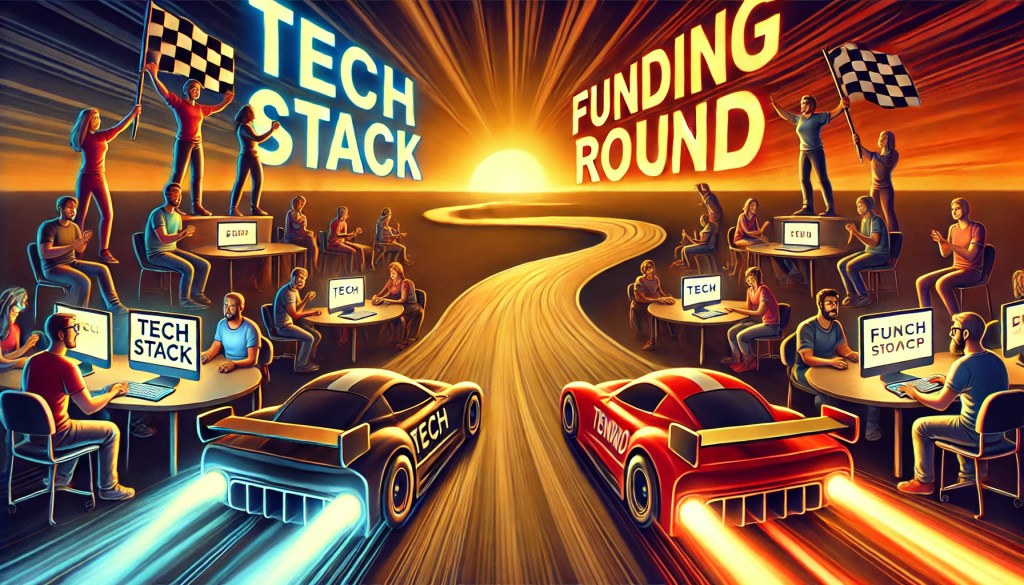
If technology is the engine, culture is the frame — the thing that holds it all together under stress, velocity, and pressure. Without it, even the best-built system will shake apart.
Culture isn’t about kombucha in the kitchen or DEI statements in a slide deck. It’s about the invisible rules that shape every decision — especially the hard ones.
A clear example is TSMC’s Arizona expansion in 2024. Despite having top-notch manufacturing technology, TSMC faced significant cultural clashes and slowdowns while trying to blend Taiwanese and American work styles. The issues extended beyond language—U.S. engineers felt left out due to strict hierarchies, were frustrated by a demanding work culture, and experienced cultural insensitivity. Some raised concerns about data manipulation to achieve unrealistic targets, leading to high turnover as many left because the authoritarian environment was too difficult to endure.
The lesson? Even world-class tech can’t fix a culture clash.
- Do people raise red flags early, or hide bad news?
- Is there space to challenge ideas, or do titles dictate truth?
- Does burnout get praised as “grit,” or addressed as a design flaw?
The best tech won’t save a dysfunctional team. No amount of capital can fix a culture that punishes honesty or hides problems until it’s too late.
What This Means for Founders
Your job isn’t just to steer the company — it’s to build an environment that adapts under pressure. Because it’s not the fastest teams that win. It’s the most resilient.
That requires:
- Hiring people who will call you out when you’re wrong.
- Building feedback loops that run in every direction.
- Creating a circle of safety and high accountability.
- Valuing dissent — not just enthusiasm.
In short: being a good driver.
Fortune recently highlighted this shift in an article titled “Why executives need to redefine what ‘hustle culture’ means for their employees.” It argues that in today’s world, culture isn’t about glamorizing burnout or pushing constant grind — it’s about building resilience, adaptability, and trust. This perfectly echoes the point that your biggest edge isn’t faster tech or a bigger budget. It’s how your team operates when things get tough.
What This Means for VCs
Too many investors still focus on product and market, assuming culture will sort itself out post-Series A. It won’t. Culture is predictive. It tells you how this team will handle a layoff, a lawsuit, a funding drought, or a sudden influx of press.
Start asking founders:
- What do you do when someone underperforms but is culturally loved?
- Who gives you uncomfortable feedback?
- What’s something you used to reward that you no longer do?
Stop funding fast cars with reckless drivers. Look for the ones who know how to navigate the terrain ahead.
Driving Off a Cliff with an Outdated Map
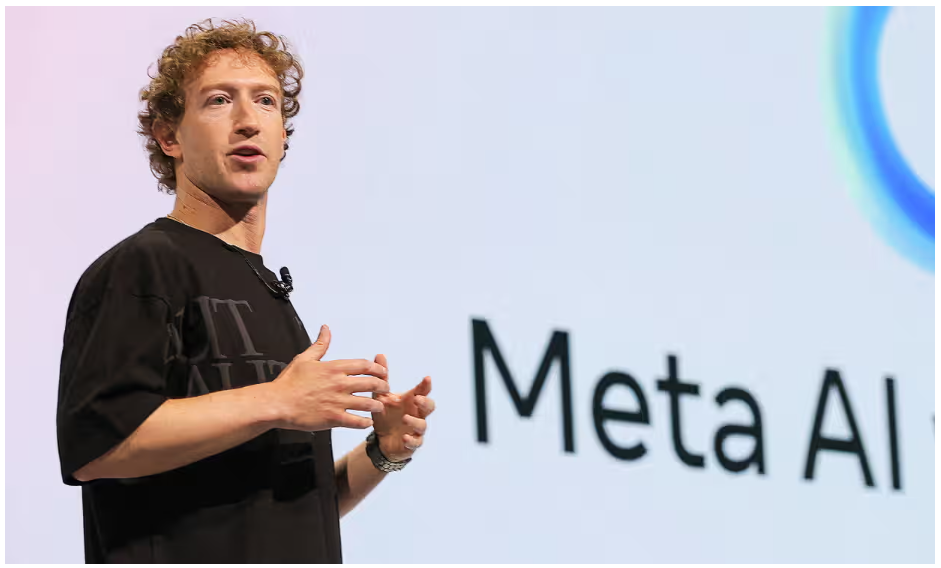
Look at Meta’s latest move: classifying up to 20% of its workforce as “below expectations,” including people who’ve already left. It’s a chilling echo of Jack Welch’s “rank and yank” model — forced attrition that prioritizes optics over development. Welch believed in cutting the bottom 10% of employees every year. The outcome? Fear, politics, and brittle culture.
Forced distribution isn’t performance management — it’s fear management. It erodes trust, discourages collaboration, and drives out high-integrity talent. In tech, where bold ideas and dissent are vital, fear kills innovation.
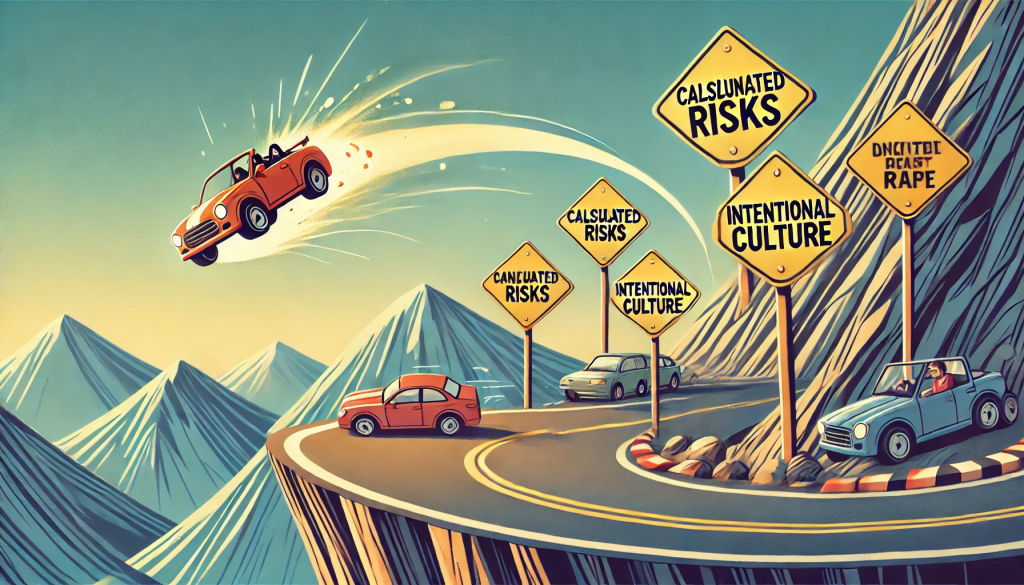
Culture should encourage calculated risk, principled dissent, and growth. Not safe silence and internal turf wars.
Everyone Has the Tech. Few Build the Trust.
When the “fast car” — tech, capital, product — is widely available, your only durable advantage is how well your people work together under pressure.
- Do they hide problems or surface them early?
- Do they trust leadership to handle mistakes with honesty—or spin?
- Do they feel safe enough to challenge, create, experiment?
Founders who don’t invest in culture will find themselves running powerful machines with no brakes.
The Road Ahead: Culture as Your Real Competitive Edge
In 2025, true innovation isn’t about who has the most cutting-edge AI or the quickest launch to market. It’s about building teams that can thrive under pressure—where trust, adaptability, and circles of safety aren’t optional extras, but essential infrastructure.
Tech doesn’t collapse. Culture does.
And you can’t steer around a broken culture—no matter how fast your car goes.
The Bottom Line:
- No matter your funding or tech stack, culture is what sets you apart—or holds you back.
- Culture isn’t a bonus—it’s the framework that keeps everything running smoothly under pressure.
- We’ve seen the consequences at TSMC’s Arizona plant and in Meta’s fear-based management: ignoring culture can crash even the fastest car.
- In the years ahead, real success will come from building environments where people can challenge, create, and adapt—no matter the market’s demands.
Questions for Startup Founders and VCs to consider
- Describe the last time someone on your team challenged a decision you were excited about. How did you respond, and what happened next?
- If I asked your employees anonymously whether they feel safe disagreeing with you, what percentage would say yes?
- What happens when a high performer consistently undermines team dynamics?
- For VCs, show me evidence that this team rewards principled dissent, not just enthusiastic agreement.

Article was written by John-Miguel Mitchell who is the Founder and Lead Consultant at Ekipo LLC. If you’d like to learn more about how to design and build out the ideal workplace culture for your business, email him at jmitchell@joinekipo.com.
Liked the blog? Get new content delivered directly to your inbox every Thursday.
 Ekipo
Ekipo 