
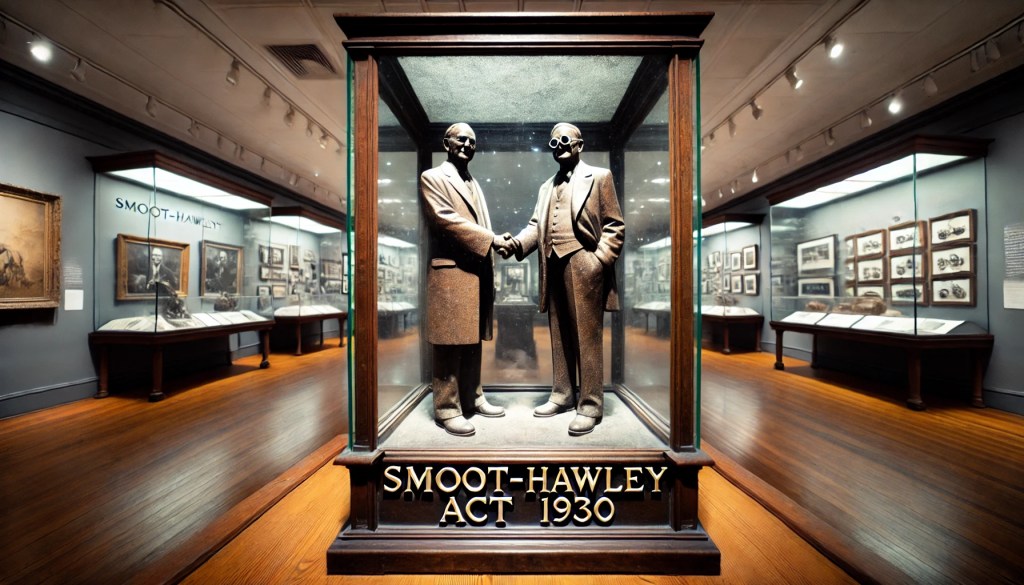
Startup founders and VCs can learn a lot from a 1930 law and today’s tariff turmoil.
By now, we’ve all seen the headlines, heard the talking heads, and read more hot takes on tariffs than we can count. The word “tariff” is spreading so fast that even my kids — in middle school and elementary — are bringing it up at the dinner table. Honestly, I hesitated to write about it at all, given how saturated the conversation already feels.
But there’s a critical lesson I think outlets like CNBC and The Wall Street Journal are missing — one that startup founders and VCs can’t afford to ignore: these tariffs aren’t just about economics. They’re already triggering cultural collapse inside startups — and we haven’t even felt the worst of it yet.
A Familiar Mistake: Smoot-Hawley and the Danger of Isolation
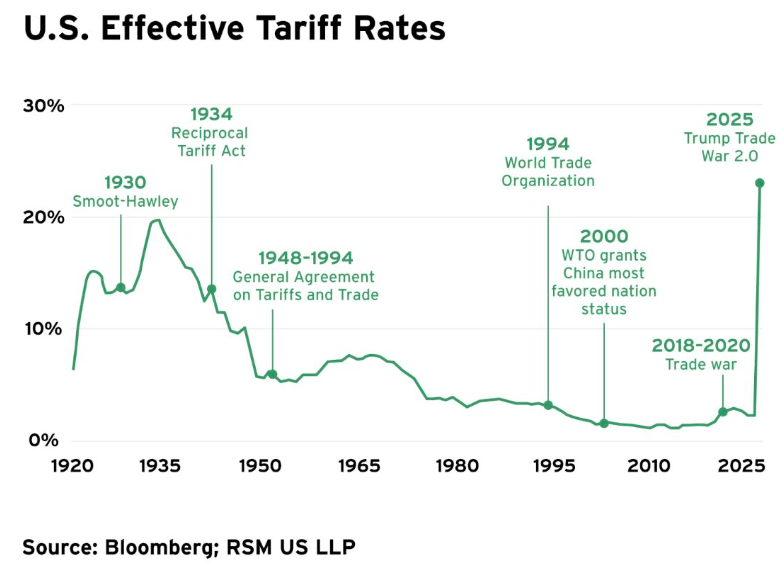
In 1930, the U.S. passed a famous law called, the Smoot-Hawley Tariff Act, which tried to protect American businesses by slapping tariffs on over 20,000 imported goods.
The result?
- Global trade collapsed by 60%.
- Retaliatory tariffs from other nations spiraled into an economic disaster.
- Business confidence shattered.
- The Great Depression deepened.
The real damage wasn’t just economic — it was psychological.
Once trust in leadership and the future collapsed, recovery took far longer and cost far more than anyone imagined. In fact, the full economic recovery didn’t happen till the industrial boom of World War II (11 years after the law was passed).
Nearly a century later, we find ourselves staring down a hauntingly similar path. History doesn’t exactly repeat, but it certainly rhymes—and today’s economic policies are striking an alarming chord with the past.
Today’s Startup Reality: Tariffs, Panic, and Cultural Drift
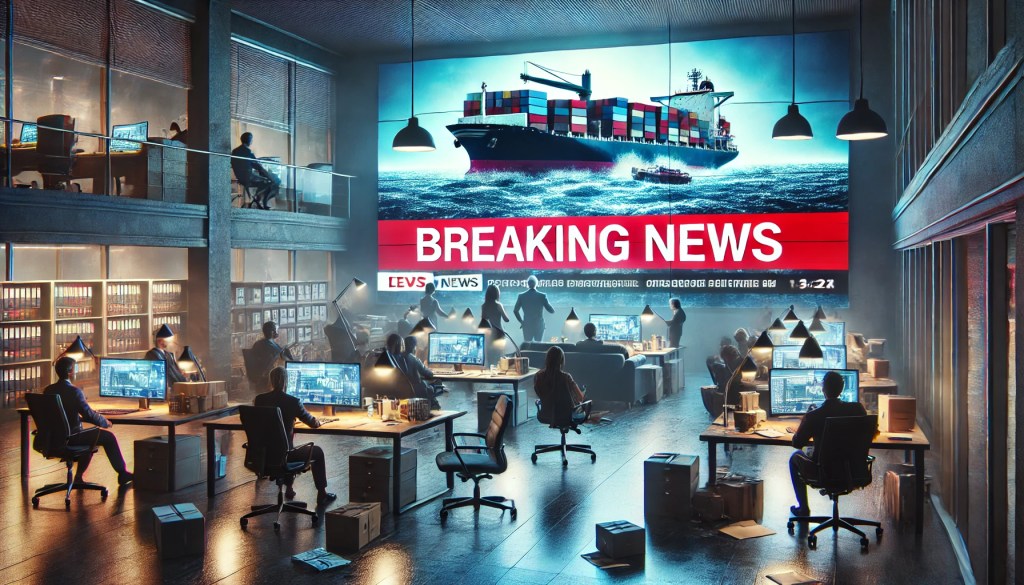
New tariffs introduced by President Trump are injecting massive uncertainty across hardware startups and supply chain–dependent ventures.
Just look at the recent headlines:
- VC Pullback: 34% of global investors have delayed or withdrawn early-stage funding due to tariff fears.
- IPO Delays: Several firms have postponed going public amid rising instability.
- Sector Flight: VCs are shifting toward tariff-proof sectors like software and defense, leaving hardware startups exposed.
- Freight Fallout: Ocean cargo from China to the U.S. fell 65% in three weeks. The Port of LA expects a one-third drop in arrivals.
- Small Biz Collapse: Flexport CEO Ryan Petersen warns 80% of small businesses relying on Chinese imports could face bankruptcy.
And here’s the unsettling truth: we haven’t even felt the full implications yet. By late summer, the cracks will be wider, shelves will be emptier, and the cultural damage inside startups will be harder to reverse.
The Cultural Cost of Panic Leadership
When external shocks hit, founders face a choice:
- Lead with clarity and values.
- Or react with fear and short-termism.
Tariffs create the perfect storm for cultural erosion:
- Founders pivot reactively instead of strategically.
- Investors demand optics over integrity.
- Teams lose trust in leadership.
Even if the policy reverses, the damage to culture, cohesion, and confidence will linger.
Why Isolation is Bad Business
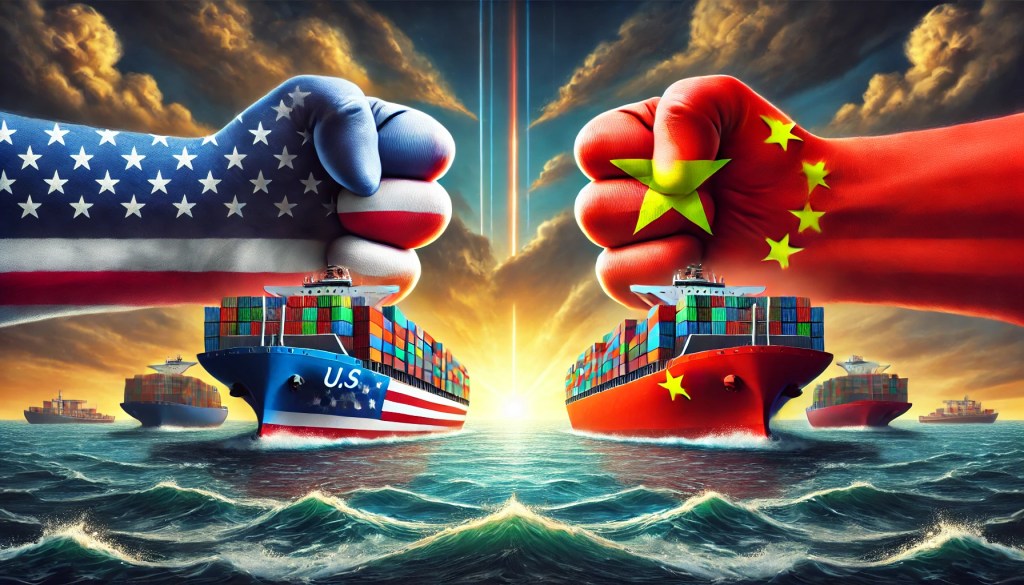
Some defend tariffs as protectionism or economic self-defense — a way to shield domestic industries from foreign shocks, preserve jobs, and restore control. But for startups, isolation isn’t resilience — it’s risk. It’s like sealing off a greenhouse from sunlight and rain in the name of protection. You might block a storm, but you also starve the very conditions your ecosystem needs to grow.
Startups thrive on interdependence. On global supply chains. On capital that flows across borders. On talent that moves freely. Trying to wall ourselves off economically in a globally connected market is more than bad policy — it’s bad leadership.
Isolation is slow death by unpredictability. And unpredictability kills startup cultures.
This fundamental truth hasn’t changed in a century—whether in the aftermath of World War I or amid today’s AI transformation. So what can modern startup leaders learn from the catastrophic miscalculations of yesteryear?
Three Startup Lessons from a 100-Year-Old Mistake
1. Independence Over Popularity Great founders resist pressure to chase optics. They stay rooted in values, even when it’s unpopular.
2. Sugar Highs Aren’t Strategy Just like short-term rate cuts or tariffs, cutting cultural corners may deliver temporary relief, but at long-term cost.
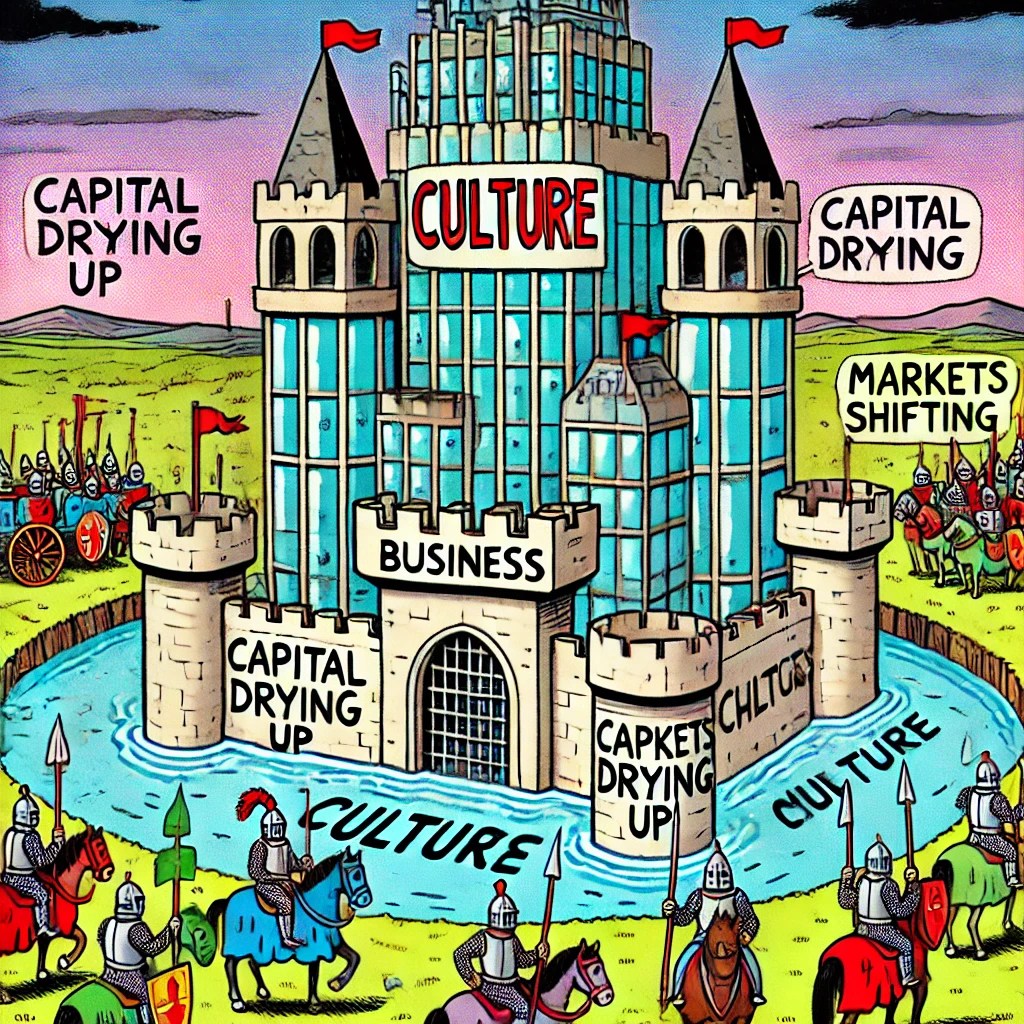
3. Culture Is the True Moat Markets shift. Capital dries up. But strong culture? That’s what teams rally behind when everything else feels unstable.
Tariffs may be a political tactic — but for startups, they are a cultural liability with a long memory.
You can restructure operations. You can rebuild supply chains. But once your team stops believing in your leadership, that’s a loss far harder to recover from. Because when the market shakes, your company’s culture gets tested first — and it cracks faster than your balance sheet.
The Bottom Line: Tariffs Are Stress Tests for Startup Culture
- Tariffs are already shaking investor confidence and supply chains.
- History shows that panic policies break trust, not just trade.
- Startups can’t afford to chase survival at the cost of cultural collapse.
Questions for founders & VCs:
- If 80% of small businesses relying on Chinese imports are at risk of bankruptcy, how exposed is your supply chain really?
- What would your top employees say if asked whether your leadership feels reactive or resilient?
- Are you building a company that can attract long-term capital in a deglobalizing world — or are you just trying to survive the next funding round?
- Are you underwriting founders who protect culture as aggressively as those who protect runway?

Article was written by John-Miguel Mitchell who is the Founder and Lead Consultant at Ekipo LLC. If you’d like to learn more about how to design and build out the ideal workplace culture for your business, email him at jmitchell@joinekipo.com.
Liked the blog? Get new content delivered directly to your inbox every Thursday.
 Ekipo
Ekipo 