

(*Okay, some of the DALL·E-generated images in this blog are a little… off. Think of them as abstract interpretations rather than literal depictions. But they still capture the vibe, the themes, and sometimes the weird energy of what I’m writing about. So roll with it—AI art is part of the journey too.)
By now, you’ve probably seen headlines about AI startups with no product. They have no customers and no revenue. The crazy thing is that they’re getting valuations in the billions. Elaine Moore wrote a great column, “Investing in AI start-ups with no sales or products is a leap of faith” in The Financial Times highlighting how investors are once again placing blind bets. This time it is on AI startups promising “transformative potential.” Let’s be honest, they often offer little more than a pitch deck and some academic pedigree.
If this all feels familiar, it should.
We’ve seen this play before: flying taxi startups in 2021, WeWork‘s fantasy projections in 2019, and dot-com companies decades ago. And the numbers are staggering.
In 2024, AI startups experienced unprecedented funding. Companies like Databricks raised $10 billion at a $62 billion valuation. This marked one of the largest venture capital raises on record.
But there’s a deeper issue beyond the froth. The culture behind these companies—and the investors backing them—tends to mirror the hype they create.
And that’s the real risk.
Culture That Chases Hype Becomes Fragile
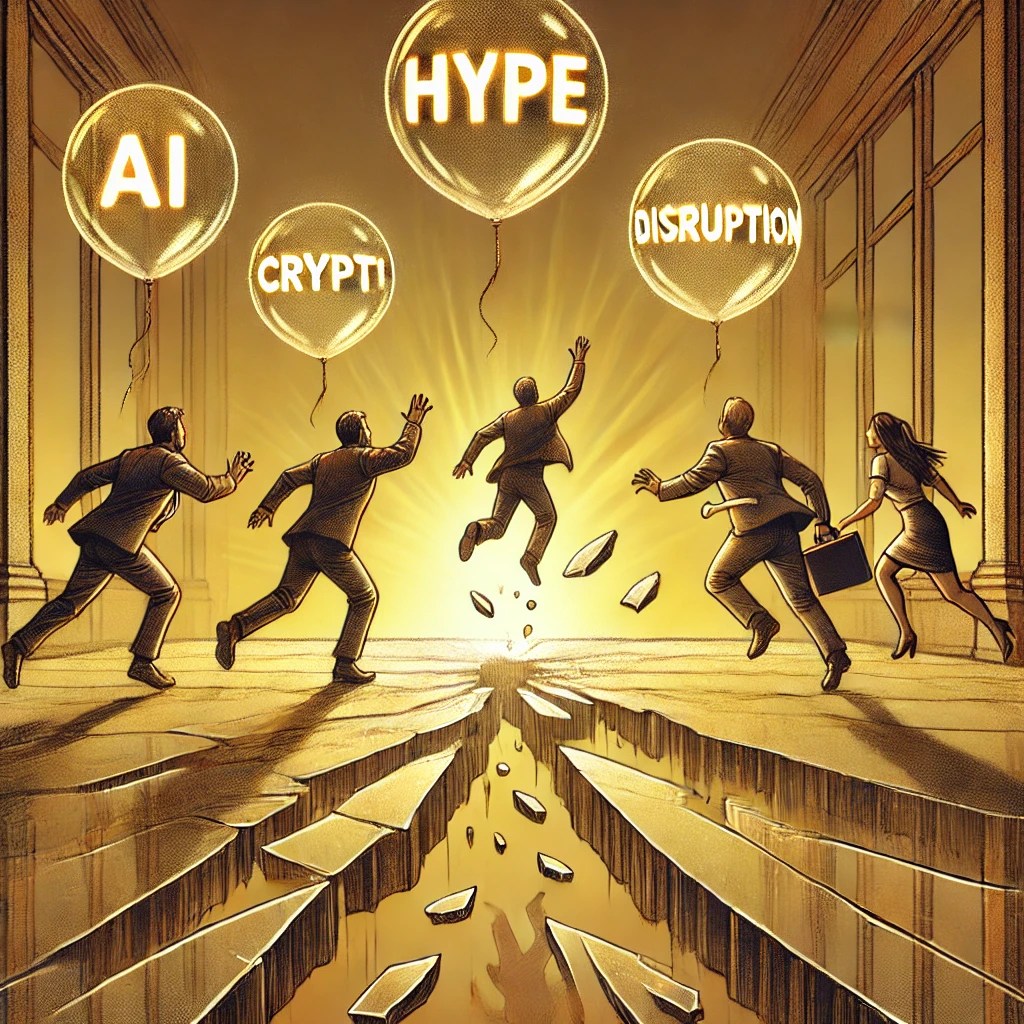
For example, when companies raise at $9B or $30B without having figured out their product, customer, or even core team structure, what kind of culture are they building?
- One where story beats substance.
- One where speed trumps alignment.
- One where the team is constantly posturing for the next round instead of solving real problems.
The downstream effect?
- Employees burn out.
- Leadership loses credibility.
- The company’s internal foundation turns to sand just when external pressure starts mounting.
Consider the cautionary tale of Nikola Corporation, an electric and hydrogen truck manufacturer once valued at over $30 billion. Despite initial hype, allegations of misleading investors about its technology led to a significant loss of investor confidence, ultimately resulting in Chapter 11 bankruptcy.
Similarly, LightSail Energy, which secured approximately $70 million from prominent investors like Bill Gates, failed to produce a marketable product and ceased operations in 2018.
These examples underscore the haunting statistic that nobody wants to acknowledge: approximately 90% of startups fail, with 10% not surviving beyond the first year.
The VC’s Role in Shaping Culture
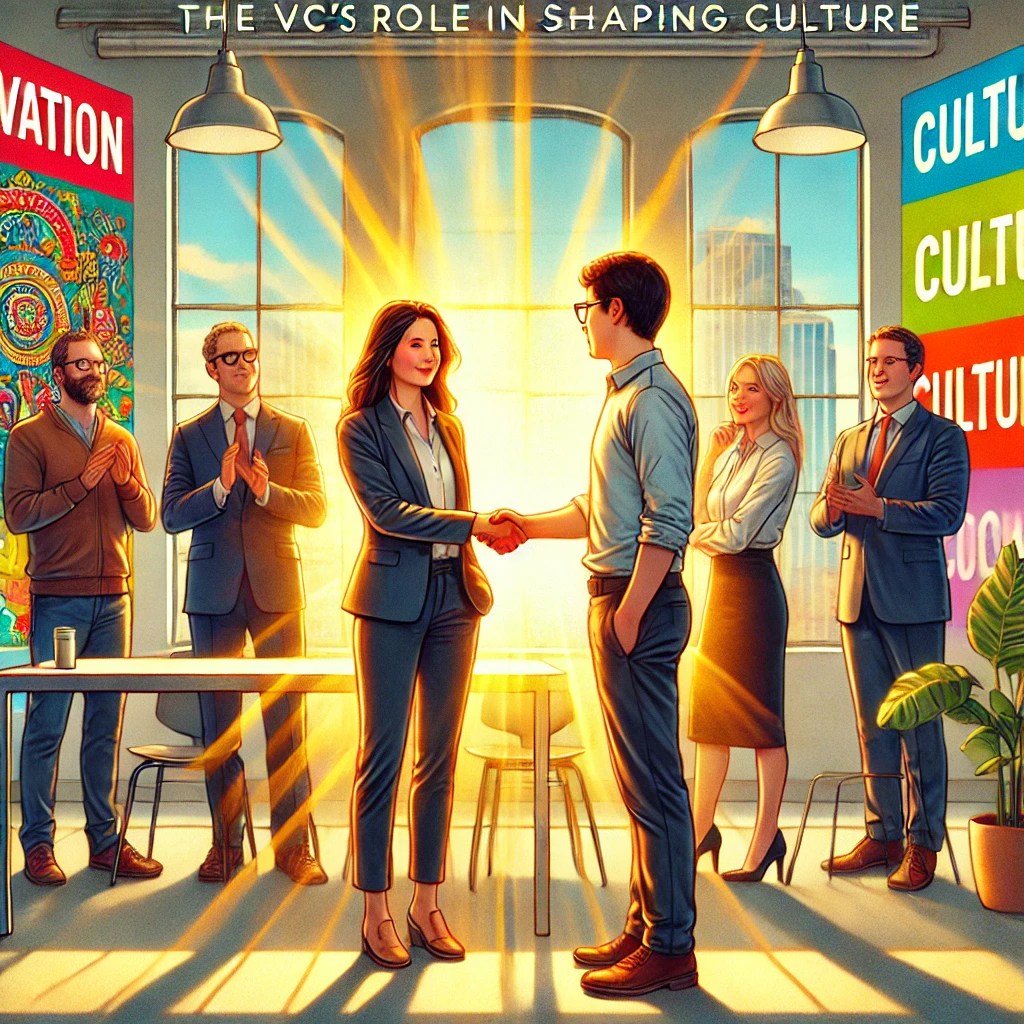
Investors have a cultural influence, whether they admit it or not. When you reward pre-revenue companies with mega-valuations, you encourage others to improve for optics, not operations.
- It creates a warped incentive structure.
- Founders feel pressure to inflate expectations.
- Founders hire aggressively and pretend certainty despite extreme ambiguity.
Another sobering statistic reveals that around 23% of startups fail due to team problems and other human-resource-related issues. This highlights the critical role of internal culture in a company’s success.
Take Appster, an Australian mobile app development company that rapidly expanded worldwide. Once hailed as the “next Apple,” it entered liquidation in December 2018, leaving employees and clients stranded—a stark reminder of how fragile a hype-driven culture can be.
That kind of culture can’t handle a downturn. It collapses the moment reality demands results.
Founders: Build for Durability, Not Just Valuation

If you’re a founder in the current AI gold rush, ask yourself:
- Is our internal culture built to survive market corrections?
- Do we encourage intellectual honesty or performance theater?
- Are we building something people want, or just something investors want to fund?
Your culture is your runway, not just your bank balance.
What We Need More Of
We need more DeepMind-style humility: founders who pitch based on what they don’t know yet, and who invest in building tight, mission-aligned teams long before they chase unicorn status.
We need investors who ask, “What’s the burn rate on your team’s trust, not just your capital?”
And we need to remember that hype is easy to manufacture. Culture is not.
Extra questions to consider:
- If your startup disappeared tomorrow, what lasting impact would it have truly created beyond its valuation?
- How are you measuring the health of your team’s trust and alignment, not just its financial metrics?
- Are you building a company that solves real problems, or a narrative that looks good in a pitch deck?

Article was written by John-Miguel Mitchell who is the Founder and Lead Consultant at Ekipo LLC. If you’d like to learn more about how to design and build out the ideal workplace culture for your business, email him at jmitchell@joinekipo.com.
Liked the blog? Get new content delivered directly to your inbox every Thursday & Friday.
 Ekipo
Ekipo 