

If you’re a startup founder, you already know that growing a company transcends securing funding or scaling a product—it’s about building a culture that binds everything together.
Founders are awake at night asking: Is my company culture strong enough to survive our next phase of growth?
For VCs, are they asking themselves the same question: have cultural concerns moved from peripheral issues to central investment criteria?
The connection is clear and costly: weak workplace culture directly correlates with startup instability, leadership turnover, and the kind of internal dysfunction that transforms promising ventures into cautionary tales. We’ve seen this time and time again. The evidence is everywhere—from WeWork’s spectacular implosion and Better.com’s public meltdowns to the recent quiet unraveling of several high-profile AI startups (Scale AI, Stability AI) crippled by toxic leadership and systemic burnout.
Compounding these challenges is another looming threat intensifying an already volatile landscape: a recession on the horizon.
Culture Under Pressure: Startups in a Recession
With the economy slowing and capital markets tightening, the cracks in company culture are about to get wider. History shows that recessions don’t just test business models—they expose weak leadership, misaligned teams, and fragile workplace cultures.
Startup founders are already feeling the strain:
- Tighter funding rounds mean tougher investor scrutiny—not just on revenue and burn rate, but on whether leadership teams have the alignment and resilience to weather the storm.
- Layoffs and hiring freezes threaten morale, especially in companies where transparency has been an afterthought.
- Increased financial stress puts a spotlight on company values. When budgets shrink, do leaders double down on their culture—or abandon it for short-term survival?
Survival isn’t just about cutting costs—it’s about cohesion. In downturns, the startups that endure are the ones where employees remain engaged, leadership stays aligned, and values don’t waver when things get tough. To learn more about navigating these “Black Monday” moments, check out last week’s blog.
So for now, what exactly is keeping founders up?
Let’s break it down.
Cultural Alignment & Leadership: The Unseen Startup Risk

The Core Problem:
Many founders struggle to define and communicate clear company values. This isn’t what’s keeping them up at night, but it does eventually bite them in the ass sooner than later.
The thinking goes that in the early days of a startup, you’re in survival mode, patching together a team, iterating on your product, and chasing that next round. Who has time to wordsmith values or design culture decks? This isn’t Netflix. I get it.
But here’s the trap: As your headcount grows from 5 to 15 to 50+, the absence of defined values doesn’t just create confusion—it breeds inconsistency. Decision-making becomes unpredictable. Leadership styles clash. Employees start to question what the company even stands for.
And suddenly, culture—something you thought you’d “get to later”—becomes the thing threatening your growth.

What Happens Without Clear Values:
- Mixed signals from leadership. One exec prioritizes speed; another emphasizes perfection. Which is it?
- Hiring misfires. Without values as a guide, recruitment becomes reactive. You end up with talent that “looks good on paper” but disrupts team cohesion. It happens all the time, you hire for experience, but you fire because they don’t fit the culture dynamics of your team.
- Fragmented communication. Without cultural guardrails, silos form. Teams drift in different directions. This creates a space for subcultures to emerge, each vying to dominate the organizational narrative.
- Low trust. If employees don’t know what the company stands for, they won’t feel secure investing their best energy into it. Nobody runs into a burning building unless they deeply believe in who or what they’re rescuing.
This is exactly what played out in the recent downfall of high-growth darlings like Convoy, where shifting priorities, unclear leadership alignment, and cultural cracks widened as the company scaled.
So How Do You Fix It?
Here’s a roadmap founders and VCs can use, broken down into Quick Wins, Short-Term, and Long-Term strategies:
Quick Wins (This Week): Stabilize the Foundation

✅ Host a “Values Alignment” session with your leadership team. Prompt them with questions like:
- What behaviors do we want to reward?
- What do we absolutely not tolerate?
- How do we want people to feel working here?
- When we’re at our best as a company, what does that look like?
- Which decisions are we most proud of making, even when they were difficult?
- What stories do we want new employees to hear about our company?
- How do we handle conflict when values clash?
- What specific trade-offs are we willing to make to uphold our values?
- Which values are non-negotiable, even during high-pressure situations?
- Who are the people we consider culture carriers, and why?
- What metrics would demonstrate that we’re living our values?
- When have we failed to live our values, and what did we learn?
- How do our values show up differently across different teams?
- What’s the gap between our stated values and our lived experience?
✅ Revisit your recent decisions.
Were they made according to any guiding principles? Or were they reactive? Start identifying patterns.
✅ Surface the culture carriers.
Find the people in your org who are quietly (or loudly) modeling the kind of workplace you want. Spotlight them. Learn from them.
✅ Tweak your messaging.
From Slack to job postings, weave in language that reflects the culture you’re trying to build—even if it’s still a work in progress.
Short-Term Solutions (Next 30-90 Days): Build Alignment

🔹 Codify your company values.
And please—skip the corporate buzzwords. I’ve watched countless employees nod politely at abstract terms from their leaders only to walk away muttering, “what the hell does that even mean?” Instead, focus on action-oriented behaviors. For example:
- ❌ “Innovation”
- ✅ “We challenge old assumptions and try new things fast.”
🔹 Connect values to your business model.
How does your culture support your product? Your customers? Your growth strategy? Make the connection explicit.
🔹 Embed values into your hiring process.
Train interviewers to assess for cultural fit—not sameness, but alignment with the behaviors and principles you want to protect.
🔹 Start a culture cadence.
Maybe it’s a monthly All Hands theme. Maybe it’s a Slack channel. Maybe it’s founder AMAs. Create regular, predictable opportunities to talk about the culture you’re shaping.
Long-Term Solutions (Next 6-12 Months): Future-Proof Your Culture
🚀 Operationalize your values
This means making them visible in performance reviews, promotions, product decisions, and customer interactions. They can’t just live on a mural in the break room collecting dust.
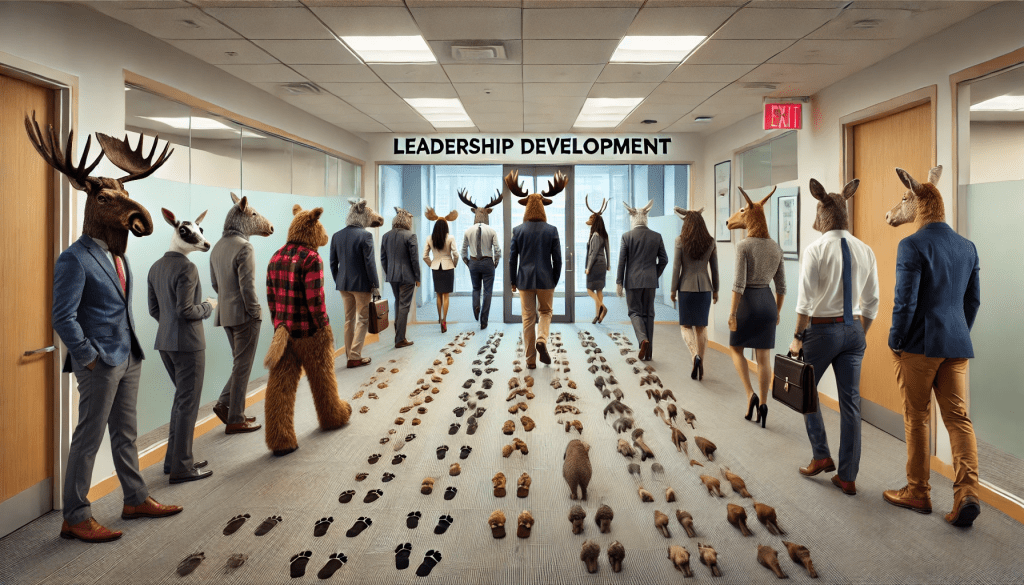
🚀 Invest in leadership development.
Inconsistent leadership is a top killer of startup culture. Ensure your managers have training and tools to lead in alignment with your values. What specific skills and experiences are we providing our top talent that genuinely align their abilities with our business objectives? Are we merely hoping for alignment, or actively cultivating it through deliberate development?
🚀 Prepare for cultural due diligence.
Just as VCs analyze your financials, many are now starting to probe your cultural health. Expect questions like:
- What are your company’s core values, and how were they established?
- Can you share a specific example of how your values guided a tough business decision?
- How do you ensure that values aren’t just words on a website but actively influence daily operations?
🚀 Plan for evolution.
Your culture won’t be static. As your company scales, your values might sharpen, expand, or evolve. Build in mechanisms to revisit and revise them regularly—perhaps during annual planning cycles.
Why VCs Should Care Deeply About This
From an investor perspective, culture isn’t fluff—it’s a lever of operational efficiency and a moat against competition.
Poor culture leads to:
- Higher turnover.
- Slower product development.
- Brand damage.
- Difficulty attracting top-tier talent.
A 2023 survey by Deloitte and the NVCA revealed that 68% of VC firms have formal initiatives to assess company culture during due diligence, indicating a growing focus on this aspect of investment decisions.
Translation? Backing founders who understand and invest in culture isn’t charity—it’s just good business.
In Closing: Culture as Your Competitive Edge
For founders and VCs alike, the message for 2025 is clear: In a market where capital is tighter, expectations are higher, and talent is choosier, culture might just be your most defensible asset.
So if you’re lying awake at night, replaying Slack conversations and sensing misalignment in your company, trust your instincts and remember: what you value, who you value, and how you show that value will largely determine what kind of product or service you build, the customers you attract, and the longevity of your business.
By prioritizing the values that matter most to you and clearly communicating them through your offerings, you create a distinctive identity that sets you apart from competitors.
Because the companies that figure out culture early? They’re the ones still standing when the next downturn hits.

Article was written by John-Miguel Mitchell who is the Founder and Lead Consultant at Ekipo LLC. If you’d like to learn more about how to design and build out the ideal workplace culture for your business, email him at jmitchell@joinekipo.com.
Liked the blog? Get new content delivered directly to your inbox every Thursday & Friday.
 Ekipo
Ekipo 
Leave a comment