
The golden age of billion-dollar valuations is fading, leaving many startups scrambling for survival. Bloomberg’s recent article, The Unicorn Boom Is Over, and Startups Are Getting Desperate, highlights the harsh reality: more than 1,200 venture-backed unicorns are stuck in limbo, with dwindling prospects for IPOs or acquisitions. Many are resorting to desperate fundraising tactics, down rounds, and layoffs just to stay afloat.
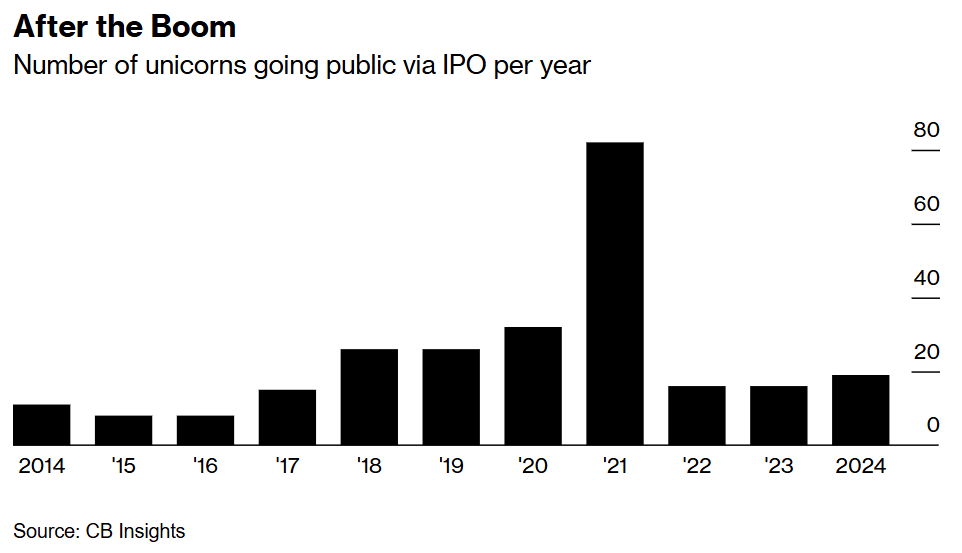
Axios Pro Rata recently reported that while some companies, like Stripe, are growing wisely into their valuations, others face mounting skepticism about their long-term viability. Similarly, Eqvista has identified a growing number of “ZIRPicorns”—startups that thrived in the zero-interest-rate boom but have since struggled to secure new funding rounds, with many becoming “papercorns” valued at over $1 billion on paper but lacking real exits.
While funding challenges are real, there’s an overlooked solution that could determine which startups thrive and which fade into obscurity—culture. In a post-boom era, where easy money is no longer flowing, startups must pivot away from unsustainable growth-at-all-costs strategies and double down on building a strong workplace culture.
Some founders may hesitate at the idea of prioritizing culture, but here are two compelling reasons why they can’t afford to ignore it:
Culture as a Competitive Advantage

Historically, startups have been laser-focused on valuation and market dominance, often at the expense of employee well-being and long-term sustainability. But as fundraising dries up, the startups that survive will be those that create an environment where talent is not engaged, but committed—even when the financial incentives are uncertain.
A strong workplace culture helps startups in several ways:
- Talent Retention Amid Uncertainty
With the majority of American unicorns now classified as “ZIRPicorns”—startups that haven’t raised new capital since 2021—founders can no longer rely on inflated valuations and future funding rounds to retain talent. In this new reality, a strong workplace culture becomes one of the few levers startups can control to keep the right employees performing at a high-level. - Agility and Innovation in Tight Markets
Startups facing financial constraints need to maximize their existing talent and resources. A culture that encourages innovation, psychological safety (yes, Simon Sinek is right), and collaboration can unlock new revenue streams and efficiency improvements that help a company stay viable. - Reputation and Investor Confidence
As Axios notes, the debate over whether venture-backed startups can mature into sustainable businesses is intensifying. Investors are becoming more discerning, recognizing that past valuations don’t necessarily equate to future success. Startups that can demonstrate strong leadership, employee retention, and operational discipline—hallmarks of a culture-first company—will have the best chance of attracting investor confidence in this uncertain climate.

How Startups Can Pivot to Culture-First Thinking
- Reevaluate Leadership Priorities
Founders and executives must shift their mindset from chasing the next funding round to fostering a sustainable, mission-driven workplace. This means transparent communication, listening to employee concerns, and leading with authenticity. - Invest in Employee Experience
Startups should reallocate resources to enhance employee engagement—whether through professional development, flexible work options, or mental health support. A thriving team is a productive team. - Rethink Compensation Beyond Equity
With down rounds becoming more common, startups need to find alternative ways to reward employees. This could include performance-based bonuses, profit-sharing models, or other creative incentives that don’t solely rely on stock options. - Embed Culture into Business Strategy
Culture isn’t just an HR initiative—it must be woven into the fabric of business decisions. From hiring to product development, a culture-first approach ensures alignment between the company’s mission and its daily operations.
The Future Belongs to Culture-Driven Startups
The startup landscape is evolving, and those that fail to adapt will become cautionary tales of the unicorn era’s collapse. While financial strategies are crucial, they must be complemented by a renewed focus on workplace culture. In an environment where external funding is no longer a given, the true differentiator will be how well a startup can attract, engage, and retain its people.
For venture capitalists and startup founders alike, the message is clear: The companies that win in this new era won’t be those with the biggest valuations—they’ll be the ones with the strongest cultures.
Questions to consider:
For Founders: Given the current funding climate, how are you actively reinforcing a culture that keeps your top talent engaged—especially when financial incentives like equity aren’t as compelling?
For VCs: Beyond financial performance, how do you assess whether a startup has the cultural foundation to survive and thrive in this post-boom era?
For Both: If a startup’s culture is its competitive advantage in today’s market, what are the biggest obstacles preventing founders from prioritizing it, and how can they overcome them?

Article was written by John-Miguel Mitchell who is the Founder and Lead Consultant at Ekipo LLC. If you’d like to learn more about how to design and build out the ideal workplace culture for your business, email him at jmitchell@joinekipo.com.
Liked the blog? Get new content delivered directly to your inbox every Thursday & Friday.
 Ekipo
Ekipo 