

The Future of Workspaces: A Startup and VC Perspective
Last week, I wrote about the importance of workplace flexibility, and I still stand by every word. Flexibility is key to attracting and retaining top talent, but if we—as startup founders and VC firms—are going to bring our teams into a shared physical space (another way of saying “office”), we need to be intentional about where and how they work.
So let’s jump in.
As remote work fatigue grows for many, AI startups in San Francisco are reviving in-office culture, proving that the workplace experience—just like company culture—must be intentionally designed to attract and retain the right talent. Similarly, in Miami, where finance and tech firms are driving a return to the office, the emphasis on “culture” as a reason to bring employees back underscores the ongoing tension between corporate expectations and workers’ growing desire for flexibility.
The design and layout of our workspaces speak volumes—not just about our brand and culture, but about how much we value our employees. If you take away anything from this blog, let it be that. A well-designed office isn’t just about aesthetics; it’s about fostering collaboration, boosting productivity, and ensuring that our teams feel supported, inspired, and empowered to do their best work. If we’re asking people to show up in person, the space they walk into should reflect that investment in them.
The Startup Advantage: Rethinking the Physical Workspace
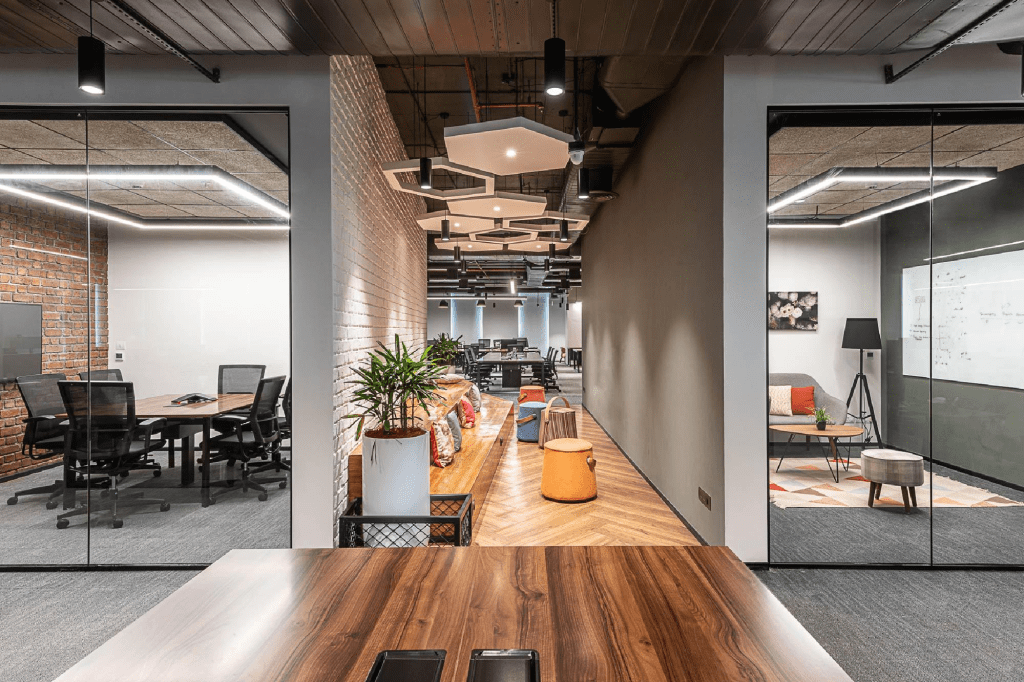
Startups and their investors are uniquely positioned to rethink and redefine the workspace. Unlike legacy corporations tied to traditional office norms, startups have the agility to experiment with hybrid models, leverage co-working spaces, and integrate technology in ways that drive both culture and productivity. The question isn’t whether to bring employees back to the office—it’s how to design work environments that fuel growth, collaboration, and long-term success.
Let me be clear: Companies often justify returning to the office by claiming it fosters “collaboration and innovation.” However, that only happens when the office is intentionally designed with mechanisms that allow teams to come together for a purpose. Simply having people in the same physical space does not automatically generate great ideas or stronger connections. Purpose-driven office visits—where employees gather with clear objectives—are what truly maximize in-person time.
Some examples include:
- Strategy sessions (which require planning ahead)
- Team-building activities (which require planning ahead)
- Skills development—upskilling or reskilling (which require planning ahead)
Bringing people back to the office just for presentism’s sake—the optics of “actively working”—is pointless. Instead, startups and VCs should rethink the office as a space for intentional, high-value interactions rather than an outdated symbol of productivity.
The Hybrid Effect: Designing for Growth, Agility, and Trust

Hybrid work models have become the standard, with employees splitting time between home and the office. For startups, this shift isn’t just about flexibility—it’s about building a high-performing culture that attracts and retains top-tier talent.
The concept of “hoteling,” where employees reserve a workspace as needed, can be an efficient solution, but it only works if aligned with the company’s mission and values. Startups thrive on agility and innovation, which means workspace design should reflect those principles. Dictating rigid return-to-office policies can be counterproductive, signaling a lack of trust and stifling the very autonomy that drives startup success.
Culture Connection: Tailoring Workspaces to Reflect Startup Identity
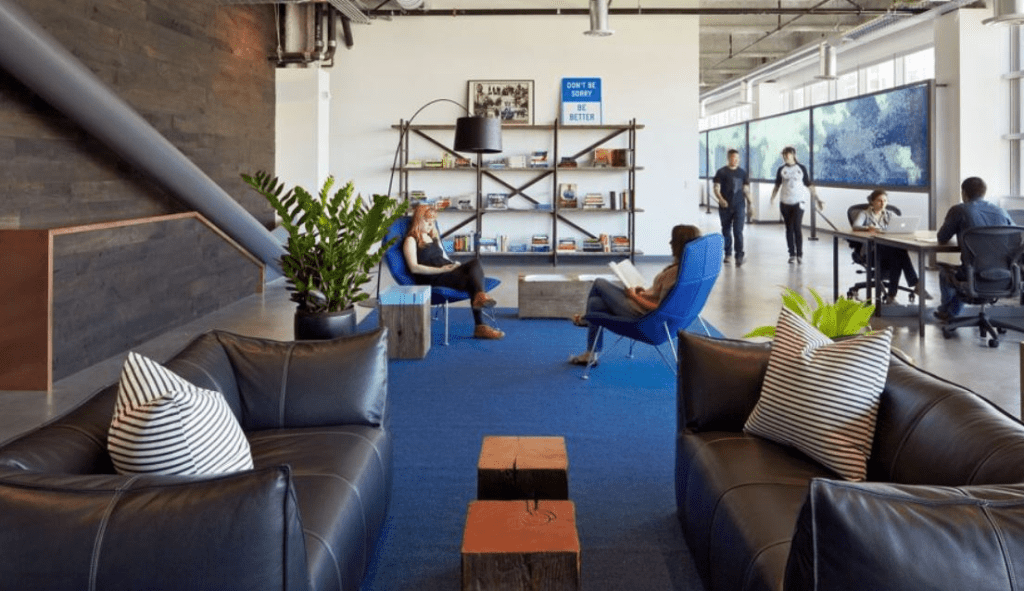
There’s no universal blueprint for office design. A fintech startup focused on security and compliance might require private, enclosed spaces, while a design-focused venture might benefit from open, collaborative hubs. What’s essential is intentionality—creating a workspace that mirrors the startup’s mission, values, and ways of working. Investors should encourage founders to think beyond square footage and focus on how space fosters engagement, creativity, and execution.
Variety, Functionality, and Choice: Supporting Diverse Workstyles
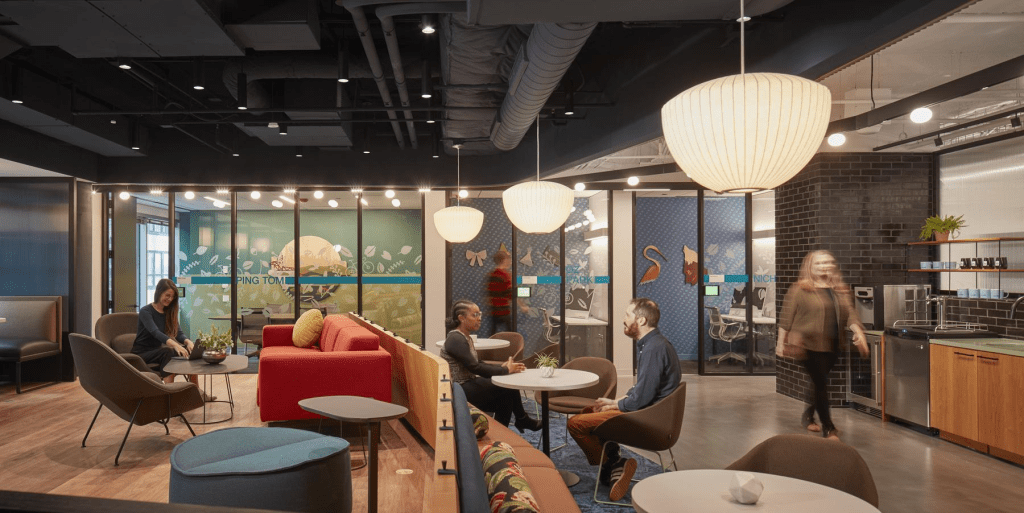
Startups attract a diverse range of employees, from engineers who need deep focus time to sales teams that thrive on collaboration. Modern workspaces should offer a mix of environments—quiet zones for deep work, interactive spaces for brainstorming, and hybrid-friendly setups for seamless remote collaboration. Forward-thinking startups should view office design as a competitive advantage, creating environments that enhance productivity and accommodate different workstyles, including those of neurodivergent employees.
Check out this data from the 2022 U.S. Workplace Survey which revealed two types of spaces delivering the highest ROI for workplace effectiveness and employee experience.
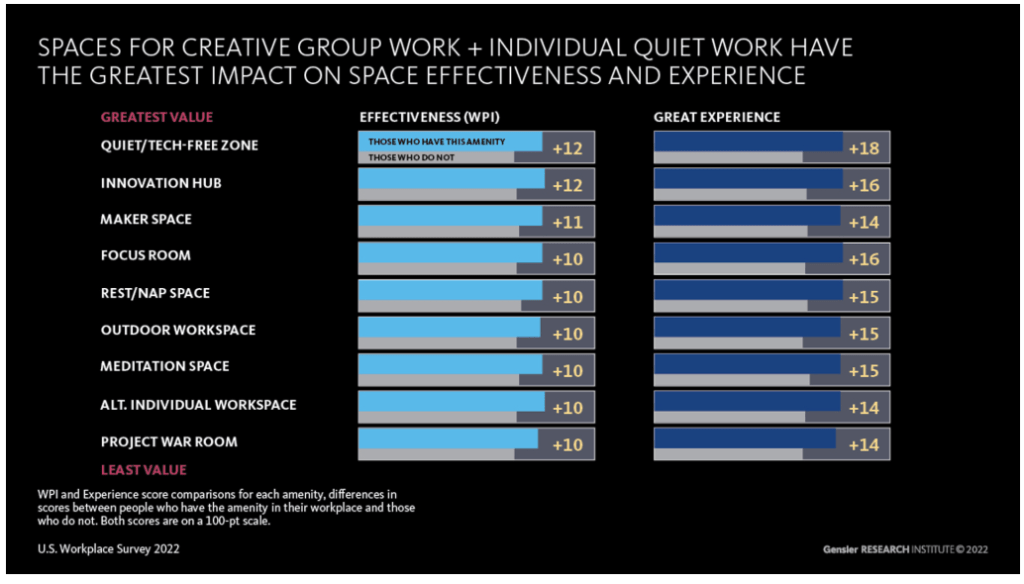
Two spaces matter most for your office:
- Quiet zones (+18 experience, +12 effectiveness)
- Innovation hubs (+16 experience, +12 effectiveness)
That’s it – focus your office budget on these two areas first. Everything else has less impact.
Bottom Line: For startups and growing companies, investing in quiet spaces and innovation hubs will likely give you the most bang for your buck in terms of workplace productivity and employee satisfaction. This is particularly relevant for companies planning office spaces or considering hybrid work models.
The Role of Technology: Bridging the Gap Between Remote and In-Office Work

For a hybrid model to be successful, technology must be a bridge, not a barrier. Startups should invest in tools that enable seamless communication between remote and in-office teams. High-quality video conferencing, real-time document collaboration, and AI-driven workplace solutions can ensure that no team member—regardless of location—feels disconnected from company culture or decision-making processes.
For VCs advising their portfolio companies, the message is clear: funding should prioritize technology that enhances connectivity, fosters engagement, and removes friction from hybrid work.
Sustainability and Well-Being: Designing Workspaces with Purpose

Sustainability isn’t just an ESG talking point—it’s a strategic advantage. Investors and founders alike should prioritize office spaces that are energy-efficient, promote employee well-being, and reflect a commitment to social impact. This includes:
- Biophilic design (bringing nature indoors) to enhance creativity and reduce stress.
- Healthy work environments with ample natural light, ergonomic furniture, and air quality improvements.
- Flexible policies that allow employees to integrate wellness into their workday.
A prime example of this is Google’s 1265 Borregas in Sunnyvale, CA—their first mass timber building. This innovative workspace redefines office design by incorporating sustainable wood materials, abundant natural daylight, expansive views, and a Pacific Northwest-inspired aesthetic, seamlessly blending sustainability with functionality.
By designing spaces with sustainability and well-being in mind, startups signal to employees, investors, and customers that they’re building companies for the future, not just the present.
Why This Matters: The Office as a Strategic Asset
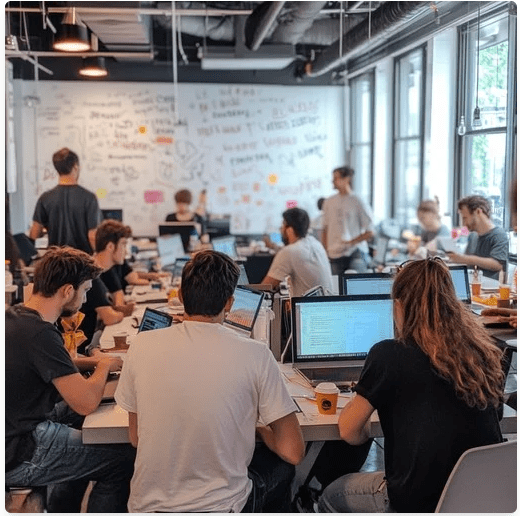
At Ekipo, we view physical spaces as an extension of a company’s culture and brand. For startup founders, your workspace is more than an expense—it’s an asset that impacts hiring, retention, collaboration, and performance. For investors, guiding portfolio companies toward thoughtful workspace strategies can directly influence long-term viability and growth.
The workspace of the future isn’t about mandates or nostalgia for the pre-pandemic office. It’s about creating environments—physical and virtual—that support business goals, attract the right talent, and align with the values that define your company. Done right, startups can build workplaces that not only earn the commute but also become a magnet for innovation, culture, and long-term success.
Questions for startup founders and VC firms:
- How do you balance the need for flexibility with the potential benefits of in-office collaboration in your portfolio companies, and what role do you see workspace design playing in that equation?
- In your experience, what has been the most effective way to align office space design with the company’s mission and values, especially when considering diverse work styles and the need for both quiet zones and innovation hubs?
- As sustainability becomes an increasing priority, how do you think VCs can influence startups to invest in office spaces that promote not only employee well-being but also environmental responsibility?

Article was written by John-Miguel Mitchell who is the Founder and Lead Consultant at Ekipo LLC. If you’d like to learn more about how to design and build out the ideal workplace culture for your business, email him at jmitchell@joinekipo.com.
Liked the blog? Get new content delivered directly to your inbox every Thursday & Friday.
 Ekipo
Ekipo 