

A Battle of Old vs. New
By now, you’re familiar with the flood of articles both supporting and opposing workplace flexibility—whether it’s employees working from home, spending five consecutive days in the office, or striking a balance with a hybrid model. This debate actually began a bit before COVID, and today, many employers are drawing lines in the sand on what’s expected, fair, or necessary.
In fact, ever since President Trump and Elon Musk (yes, they’re an item) announced that all federal employees return to the office at once, it seems that many legacy companies have been falling like dominoes to comply with this outdated standard. Some view this as a significant win for the ‘Return-to-Officeites’—a new term I created for those pushing to get people back in their seats.
Look I get it.
Once upon a time, many traditional workplace practices were designed for a different era—one where work was tied to a physical location, productivity was measured by hours spent at a desk, and rigid hierarchies dictated career progression. But here’s where the chicken runs dry; the nature of work has evolved dramatically in the 21st century, and these outdated structures no longer serve employees or businesses effectively. Full stop.
The founders who fail to recognize this shift will struggle to scale their companies in a competitive, fast-moving market.
The 9-to-5 Relic: Why It’s Time for an Upgrade
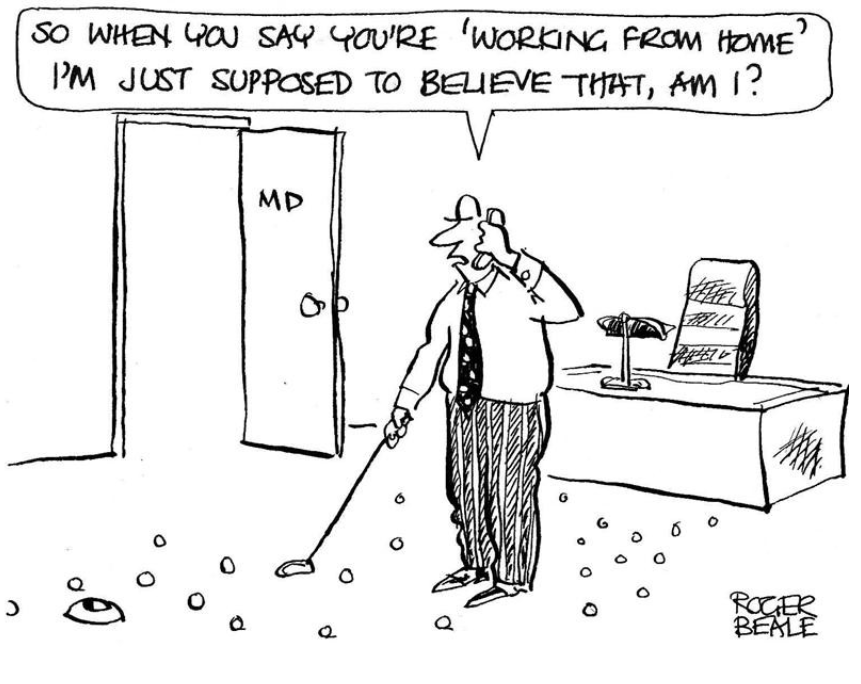
For example, take the 9-to-5 model, which was built for an industrial economy where workers needed to be physically present to operate machinery or handle paperwork. Today, with digital tools, cloud-based collaboration, and instant communication, employees can be just as effective—if not more so—working from anywhere. Yet, many companies, including some startups, still cling to outdated policies that prioritize presence over performance. Remember that previous phrase the next time you find yourself questioning whether to stick with the sinking mindset of old-school thinking vs. sailing towards the future with new school. Yes, workplace model 1.0 (20th century) vs. 2.0 (today).
This outdated mindset persists in traditional career paths, where employees are often expected to relocate across the country for promotions or spend years in a single office to be considered for leadership roles (that they may not even get). I can’t tell you how many candidates and employees I’ve spoken to who have reluctantly packed their bags, left behind family and friends, just to chase the next rung on the corporate ladder. Massive amounts of waisted time, energy, resources and risks are built up when approaching it this way. In fact, this 1.0 model disproportionately benefits those with fewer personal constraints, sidelining talented individuals who can’t conform to rigid expectations.
In contrast, having a borderless recruiting strategy is the first step employers should be looking at when designing a new workplace model. This type of flexibility opens doors for a more diverse range of employees, allowing people to contribute meaningfully regardless of where they live or what personal responsibilities they manage. This is a critical consideration for venture capital (VC) firms evaluating which startups are built for long-term success—companies that embrace flexibility are far more likely to attract and retain top-tier talent.
Return-to-Office Mandates Are Missing the Point
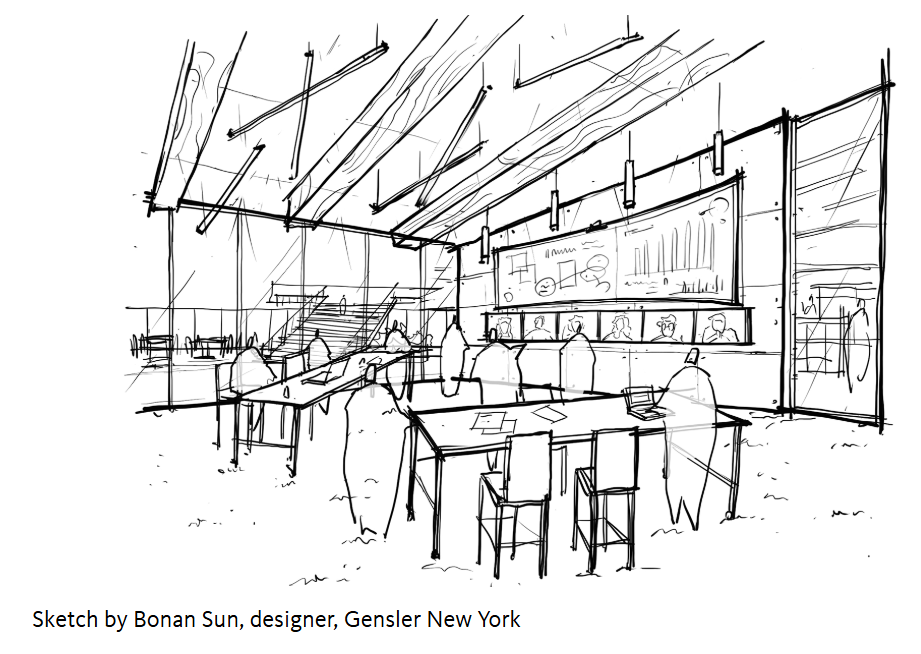
Don’t get me wrong, while physical office spaces can enhance collaboration, they should complement—not dictate—how we work. Founders and VCs who prioritize flexibility build stronger, more innovative companies by tapping into a broader and more diverse talent pool.
Let’s also not forget the fact that strict office attendance ignores the realities of modern life, where employees juggle caregiving, education, health needs, and other responsibilities. Insisting on in-office work as the default rather than an option not only alienates top talent but also stifles productivity. Employees perform best when they are trusted to manage their own time and environment.
Furthermore, Pilita Clark’s Financial Times article questions the logic behind strict return-to-office mandates, highlighting that office attendance has remained flat despite employer pressure. Economist Nick Bloom notes in the same article that hybrid models benefit some of the fastest-growing companies, improving retention and productivity. Firms like Trip.com even found hybrid work boosted performance, leading to permanent policy changes. Clark argues that forcing a full return ignores these advantages, making a strong case for workplace flexibility as the smarter path forward.
Economic Mobility and the Future of Work
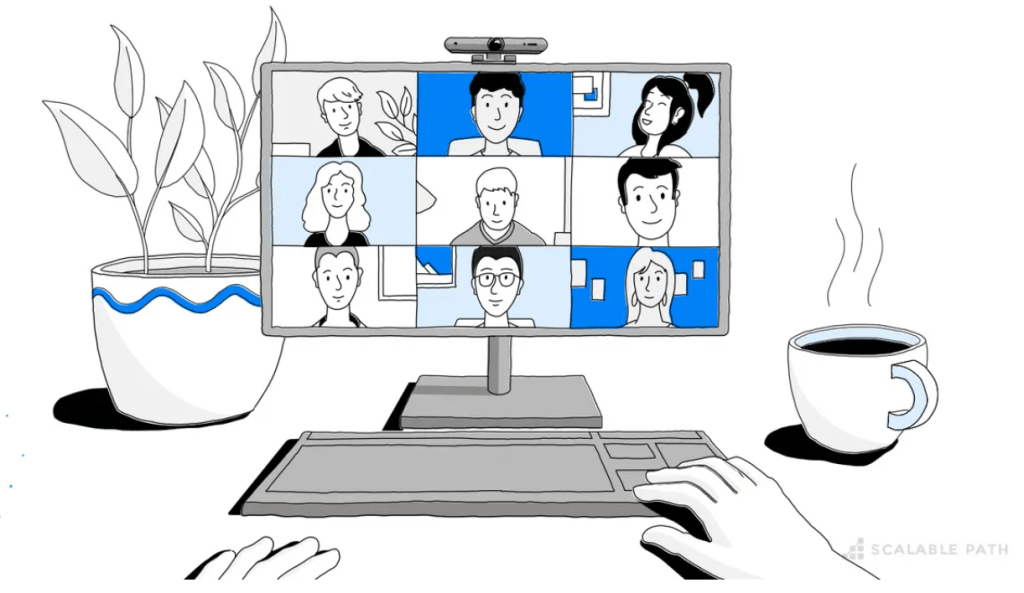
Workplace flexibility isn’t about who sits where, who has an office with a view, or whether we get facetime with the boss—it’s a fundamental driver of economic mobility. At Ekipo, we recognize that rigid work structures create barriers, particularly for employees from diverse socioeconomic backgrounds. This is especially true in startups, where founders and VC firms shape workplace culture and set the standards for how work is done.
By embracing flexibility, companies empower employees to balance professional and personal responsibilities while reducing the financial and logistical burdens of commuting, relocation, and rigid schedules. Put simply—shit gets done faster and better when we trust employees to make choices that work for them. A remote-working parent no longer has to choose between advancing their career and managing childcare. Someone living in a high-cost city can contribute meaningfully to a company like Ekipo without uprooting their life.
For startups competing for the right talent, this type of adaptability isn’t optional—it’s essential.
Beyond individual benefits, workplace flexibility fosters inclusivity by allowing people from different locations, abilities, and backgrounds to contribute their best work. It levels the playing field, ensuring career success is driven by talent and impact rather than proximity to an office.
The Risk of Ignoring the Shift in Work Culture
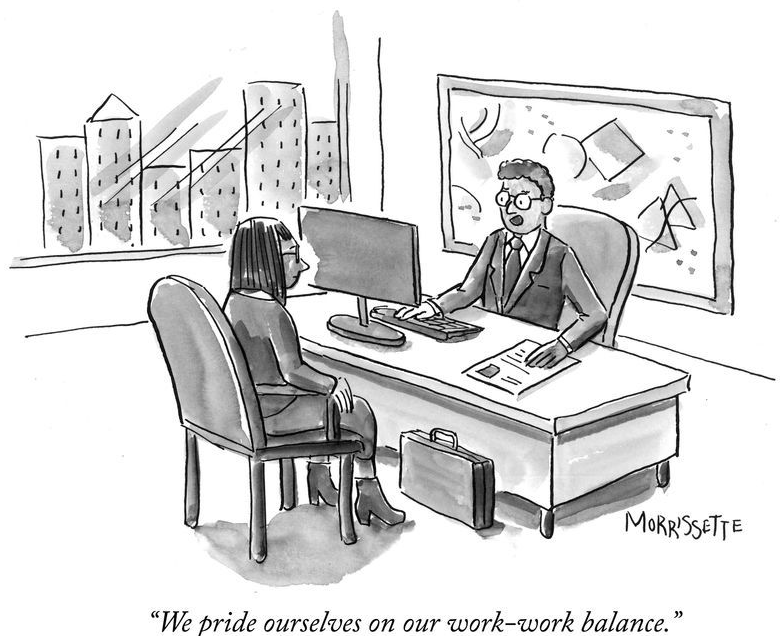
So yes, the battle between flexibility and return-to-office mandates rages on. If you’re a CEO, founder, or VC firm, you have to ask yourself:
- Will we cling to outdated models to address future challenges, or will we embrace a workplace built for the realities of today?
The future of work is about results, adaptability, and inclusivity. As I’ve mentioned before, founders who fail to evolve will struggle to build resilient companies, and VCs investing in outdated models will see diminishing returns. On the other hand, we believe employees and companies thrive when workers have the autonomy to structure their work in a way that suits their needs.

Article was written by John-Miguel Mitchell who is the Founder and Lead Consultant at Ekipo LLC. If you’d like to learn more about how to design and build out the ideal workplace culture for your business, email him at jmitchell@joinekipo.com.
Liked the blog? Get new content delivered directly to your inbox every Thursday & Friday.
 Ekipo
Ekipo 
One response to “Workplace Flexibility: It’s Not as Complicated as You Think”
[…] week, I wrote about the importance of workplace flexibility, and I still stand by every word. Flexibility is key to attracting and retaining top talent, but if […]
LikeLike