
I came across two intriguing articles in The Financial Times this week that I couldn’t ignore. I realize this publication isn’t the go-to source for most startup leaders—given its focus on geopolitics—but when it delves into AI’s impact on the workforce, it’s worth paying attention to. So, I wanted to share my perspective.
Artificial intelligence (AI) is reshaping industries, attracting billions in investment, and fueling an economic frenzy that many say is reminiscent of the dotcom bubble of the late ’90s. Ray Dalio, the billionaire investor, has warned that AI’s rapid rise is forming a speculative bubble, drawing comparisons to the unsustainable valuations of tech stocks before the 2000 crash. At the same time, financial commentator Martin Wolf asserts that AI is here to stay, with the potential to drive epoch-making productivity gains.
For startup founders and venture capitalists, this raises an urgent question: Are we riding a transformational wave, or are we inflating a dangerous bubble?
As a workplace culture consultant, my lens is different. I focus on startup founders and organizational dynamics behind technological shifts. Two points that every company leader needs to understand today:
- First, AI’s impact on the workforce, leadership strategies, and startup culture will be just as significant as its financial implications.
- Second, whether AI leads to sustainable innovation or another market correction will depend on how well companies integrate AI into their operations, talent strategies, and workplace culture.
Bubble Warnings: A Lesson from the Past
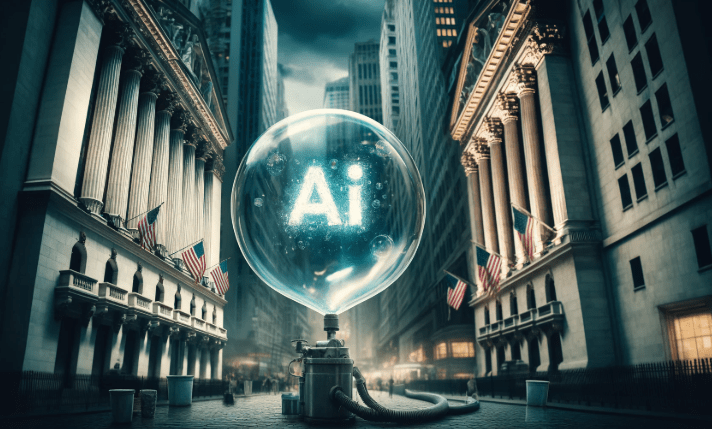
Dalio’s concerns about an AI-driven stock market bubble echo what happened during the dotcom boom. In the late ’90s, tech companies with little to no revenue commanded sky-high valuations, fueled by optimism about the internet’s potential. When reality set in, many collapsed.
Today, AI-driven startups and major tech firms are experiencing a similar euphoria. The Nasdaq 100 index has doubled since 2022, and AI chipmakers like Nvidia have seen unprecedented growth. OpenAI, backed by Microsoft, is investing billions in infrastructure to sustain its rapid expansion. Meanwhile, DeepSeek’s AI-powered trading algorithms are disrupting financial markets.
But as Dalio warns, speculation without fundamentals is dangerous. The key risk for startups and investors is mistaking AI hype for sustainable value creation. Investing in AI without a clear business model, product-market fit, and talent management strategy is a recipe for another crash.
I couldn’t agree more. Many startups assume they have a solid business model and pour their energy into product-market fit (just scroll through Medium, and you’ll find countless articles on the topic). But without a strong workforce strategy, even the best product will struggle to gain traction.
Thinking Machines and the Workplace of the Future
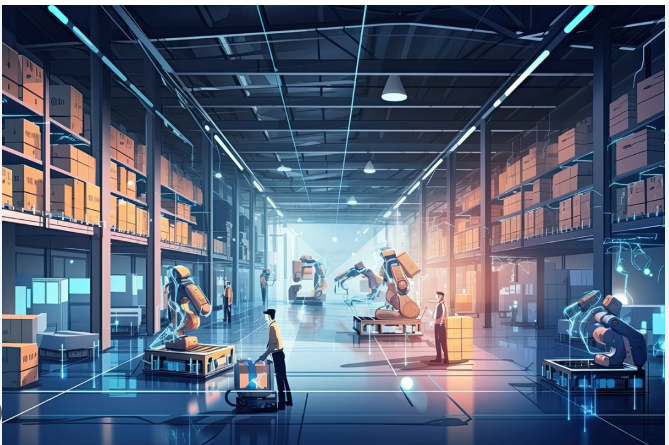
Martin Wolf takes a more optimistic stance. He argues that AI is not just another tech trend—it’s an economic force that could redefine productivity. According to him, two-thirds of current occupations could be affected by AI, but the extent of disruption remains uncertain.
For startup leaders, this presents both opportunity and risk. How AI is integrated into workplace culture will determine whether it enhances productivity or fuels workforce anxiety and burnout. AI can free up employees for more strategic work, but without a thoughtful approach, it can also lead to job displacement, ethical concerns, and resistance from teams.
The challenge is creating a culture that embraces AI as an enabler rather than a threat. Companies must invest in:
- Reskilling and upskilling employees to work alongside AI, rather than replacing them.
- Ethical AI governance to ensure transparency, fairness, and trust.
- Workplace well-being initiatives to prevent AI-driven burnout and job insecurity.
What This Means for Startup Founders and VCs
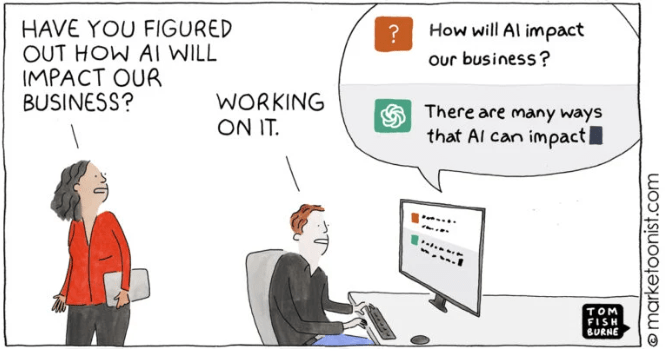
For founders and investors, the AI debate isn’t just about valuations—it’s about sustainability. Betting on AI-driven startups requires more than just capital; it requires building resilient cultures that can adapt to rapid technological shifts.
Key questions to ask before investing in AI-driven companies:
- Does the company have a long-term AI strategy, or is it riding the hype?
- How is AI being integrated into talent and workplace culture?
- Are there safeguards against AI-driven workforce disruptions?
- What ethical considerations are in place to avoid reputational risks?
As Dalio cautions, “Capitalism alone—the profit motive alone—cannot win this battle.” AI must be developed responsibly, with a people-first approach. Wolf’s insights reinforce that AI’s impact on productivity could be groundbreaking, but its success depends on how well businesses manage this transformation.
Final Thoughts
AI is either the next industrial revolution or the next financial bubble—possibly both. For startup founders and VCs, the path forward requires balancing ambition with realism. Investing in AI must go beyond technology and valuations—it must include a deep commitment to building AI-ready workplaces, ethical leadership, and cultures that can sustain innovation.
The real winners in this AI race won’t just be those who raise the most capital—they’ll be the ones who build organizations that thrive in the age of intelligent machines.
Do you agree?

Article was written by John-Miguel Mitchell who is the Founder and Lead Consultant at Ekipo LLC. If you’d like to learn more about how to design and build out the ideal workplace culture for your business, email him at jmitchell@joinekipo.com.
Liked the blog? Get new content delivered directly to your inbox every Thursday & Friday.
 Ekipo
Ekipo 