

We’ve all heard the expression, “people don’t leave companies, they leave bosses.” That statement often gets lots of attention and applause from many disgruntled employees (who hasn’t been there?). However, nobody every follows up to ask the following question: How does your management structure actively shape the workplace culture and influence whether employees stay or leave?
Yes, purpose, values, and physical artifacts (a blog on that later) matter, but the manager relationship is one of the most important factors in a startup’s success. How teams are managed—through power dynamics, decision-making, mentorship, and transparency—is not only important but vital to creating a thriving and sustainable organization.
By focusing on the cultural element of Management Structure, founders can set the tone for success in 2025 and beyond.
With this in mind, let’s explore four key components to prioritize in your management approach for the new year: Power Controls, Decision-Making, Mentorship, and Transparency.
Power Controls: Creating a Balanced Environment

Startups thrive on agility and collaboration, but poorly defined power dynamics can lead to inefficiency and conflict. Founders must establish clear boundaries and distribute authority in a way that fosters accountability without stifling innovation.
- Why it Matters: According to a recent study, more than 500 companies say the No. 1 cause of wasted time during the workday is inefficient processes (44%), followed by an overload of paperwork and meetings.
- Actionable Steps: One of the biggest communication mistakes leaders make is failing to align their team from day one. To avoid this, leaders should:
- Set clear expectations from the start consistently leads to better outcomes.
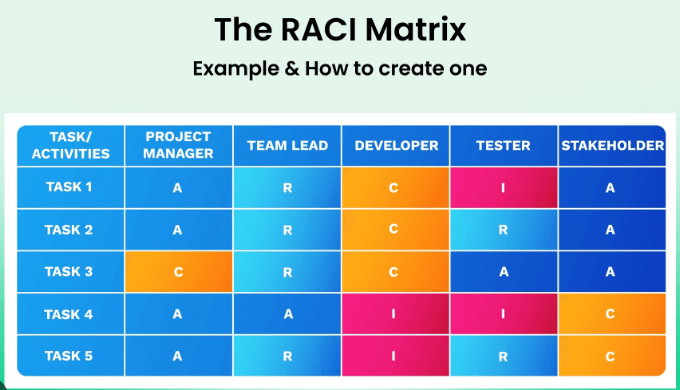
- Leverage tools like RACI matrices (Responsible, Accountable, Consulted, Informed) to define roles clearly, and establish regular feedback sessions to ensure ongoing alignment.
Decision-Making: Empower Your Teams

In high-pressure startup environments, quick and effective decision-making can make the difference between thriving and merely surviving. Founders must ensure that decision-making processes are inclusive, data-driven, and adaptable.
The irony is that by approaching decision-making this way, you’ll actually gain more trust—and ultimately, more influence—within your team.
- Why it Matters: Inclusive decision-making can improve the quality of decisions by up to 87%, according to Cloverpop. Moreover, U.S. businesses waste an average of $37 billion a year on unnecessary meetings.
- Actionable Steps: To start:
- Founders and leaders should seek input and advice from their teams before voicing their own opinions in meetings. Why? Because it immediately demonstrates that you value their perspectives.
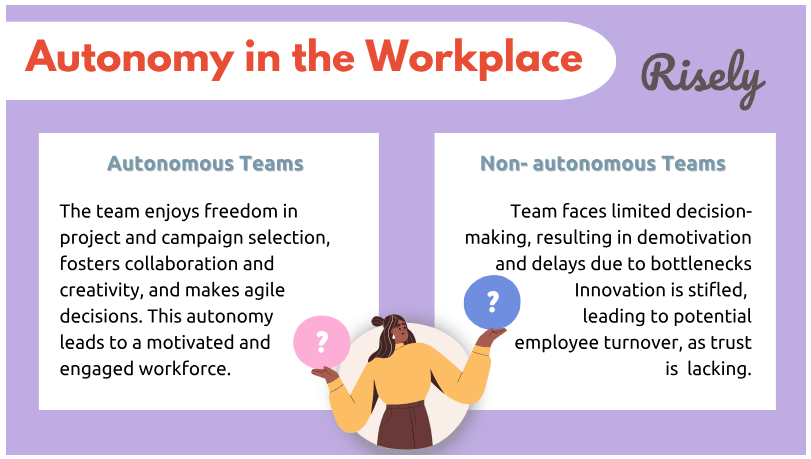
- Next, be willing to let go of some of your power. What do I mean by this? Foster team autonomy by delegating authority for key projects and ensuring they have access to the necessary resources and data.
Mentorship: Cultivating Talent for Growth

A strong mentorship culture can be a startup’s secret weapon. Why do I love this? Easy, because it doesn’t cost any money, just genuine commitment. Sometimes the things that make sense, don’t cost cents.
By investing in employee development, founders not only boost engagement but also build a pipeline of future leaders who are aligned with the company’s vision.
- Why it Matters: Mentored employees report a 71% increase in productivity, which is crucial for startups aiming to maximize output with limited resources. This isn’t something that is one-sided either, founders need mentors as well. A significant 92% of small business owners with mentors attribute their business growth and survival directly to these mentoring relationships.
- Actionable Steps: As a founder, this is your opportunity to:
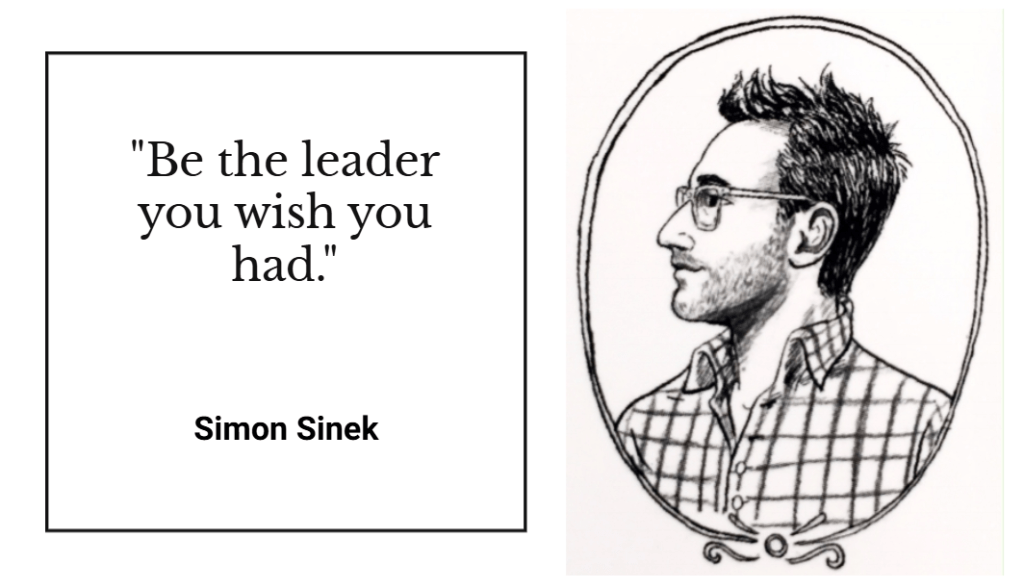
- “Be the leader you wish you had.” Yes, I know that sounds cheesy, but this quote by Simon Sinek is a perfect way of getting involved in mentorship, whether you’re sharing your wisdom or soaking it up yourself.
- Start by pitching it as a cool chance to build skills and work together, not just another checkbox to tick off.
- Creating a culture of learning and growth doesn’t happen overnight if you’re not consistenty communicating through your actions that mentorship matters.
Transparency: Building Trust Through Openness
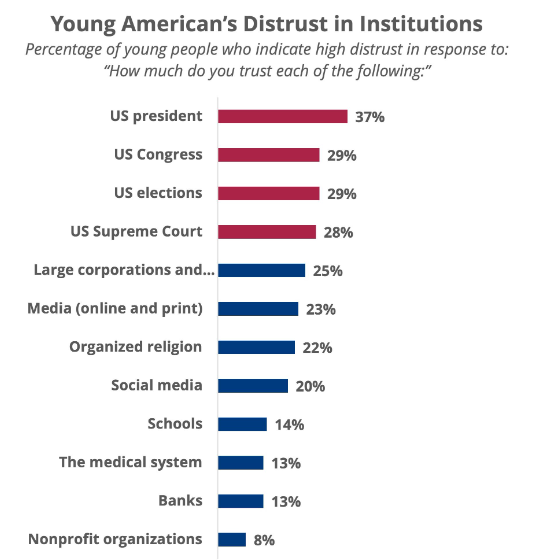
A growing trend that many want to avoid talking about is the declining trust in social institutions, corporations and governments. Just look at the most recent survey amoung young Americans from last year. With these levels of distrust, startups have a huge opportunity to capitalize on it.
This means fostering cultures where leaders actively listen, make decisions with integrity, and empower employees with real ownership in the company’s mission. In doing so, startups can attract the right talent and loyal customers who are disillusioned by legacy institutions and are looking for organizations that align with their values.
- Why it Matters: Transparency is a trust multiplier. Just last year, PwC reported that 86% of business executives think employee trust is high, compared to 67% of employees who say they highly trust their employer. This employee trust gap of 18 points is higher than in the past.
- The percentage of Americans who told Gallup that they have “a great deal” or “quite a lot” of confidence in major companies has dropped from 30% in 1999 to 16% this year.
- Actionable Steps: We can dedicate an entire blog on just this one section (stay tuned) because I do believe that transparency will continue to become the growing currency between employers and employees in the years ahead. Having said that, founders should start now to:
- Share financial performance, runway, funding updates with employees to help them understand business health and decision-making.
- Consider salary transparency or clear compensation frameworks to build trust and reduce pay equity concerns.
- Lastly, holding regular “Ask Me Anything” (AMA) sessions where employees can directly engage with executives and founders doesn’t .

Start the Year Strong
By refining management structures—balancing power, improving decision-making, mentoring your team, and embracing transparency—you can build a resilient foundation for success. As a founder, your leadership sets the tone. Having a great management structure, and more importantly—having great managers, will either build or destroy your business. Full stop.
Prioritizing these cultural elements will help attract the right talent, foster innovation, and create an environment where your team thrives. The culture you cultivate today will define your success tomorrow—let 2025 be the year your startup doesn’t just grow, but truly thrives.
Questions to consider:
For Startup Founders:
- How do you actively build trust with your employees in an era of increasing distrust in institutions?
- What steps have you taken to distribute decision-making authority without sacrificing efficiency?
- How do you ensure that your company’s culture isn’t just aspirational but actually lived out daily?
For Venture Capitalists:
- When evaluating startups, how do you assess whether their leadership and culture will sustain long-term success?
- Do you believe financial transparency should be a standard practice in startups, and how does that influence your investment decisions?
- What’s the biggest mistake you’ve seen founders make in shaping workplace culture, and how can it be avoided?

Article was written by John-Miguel Mitchell who is the Founder and Lead Consultant at Ekipo LLC. If you’d like to learn more about how to design and build out the ideal workplace culture for your business, email him at jmitchell@joinekipo.com.
Liked the blog? Get new content delivered directly to your inbox every Thursday & Friday.
 Ekipo
Ekipo 