

Leave No One Behind: Battlefield Lessons for Startups and Workplace Models
In war, soldiers operate on a foundational principle: leave no one behind. This ethos isn’t just about survival—it’s about trust, shared goals, and the collective power of a unified mission. Even if you’ve never worn the uniform, you can understand how incredibily important this principle is when working within any team setting.
As a startup founder, one of your core responsibilities is to define and shape a work culture that propels your vision forward. Much like a platoon leader on the battlefield, your team looks to you for direction, unity, and a sense of purpose.
Platoon leaders don’t have to have all the answers, but they do have to adapt to the circumstances surrounding them even when events are unexpected.
The largest bomb (disruption) that was dropped on the American workforce after the pandemic was workplace flexibility. Companies, and more importantly startups have been trying to figure out how, where and when to work, essentially fiding the best workplace model that aligns with a company’s business objectives.
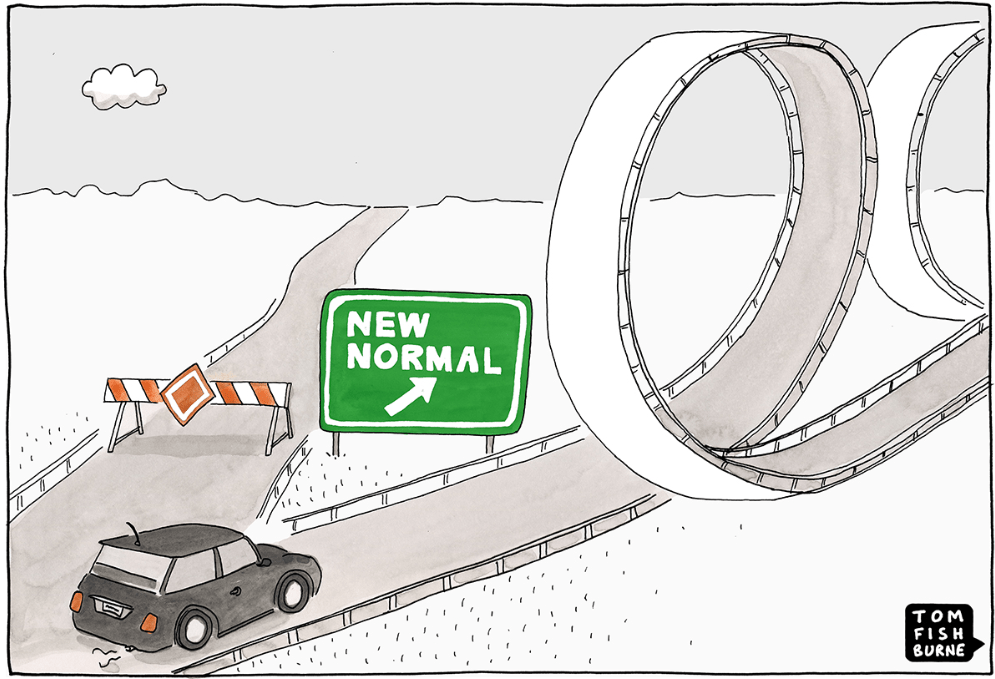
With these ongoing shifts in workplace dynamics, the future of work remains an evolving puzzle that continues to shape our understanding of effective teamwork and employee well-being.
The Stakes Are Higher for Startups

Since coming out of the Great Recession, startups have faced several team challenges—talent wars, burn rate, and culture building—which are comparable to the complexities soldiers face on the front lines. Just as soldiers need both individual focus and cohesive teamwork to succeed, your team needs a workplace model that balances individual productivity with collective innovation.
Let’s quickly acknolwedge some facts that lay ahead of us:
- Job Seeker Preferences: 80% of job seekers say that workplace flexibility is a top factor when considering job offers.
- Burn Rate: Businesses save an average of $11,000 per year for every employee who works remotely.
- Culture Building: Only 30% of companies said they were prioritizing developing the capacity to lead a remote or hybrid workforce among leaders—yet 50% said cultivating inclusive leadership skills was a priority.
- Turnover Reduction: Companies that offer flexible work options see a 25% decrease in employee turnover.
- Productivity: 77% said they were more productive when they worked offsite.
- Cost Efficiency: Businesses implementing remote or hybrid work models can reduce overall operating costs by up to 40%.
So how do you decide which model to go with?
Each workplace model—remote, hybrid, and onsite—offers unique strengths and challenges. Here’s how you, as the “commander” of your startup, can approach these models with the same intentionality soldiers use to organize their units.
Here’s an overview of each model’s potential to shape a startup’s culture, attract talent, and drive growth.
1. Remote Work Model: Flexibility Meets Global Talent
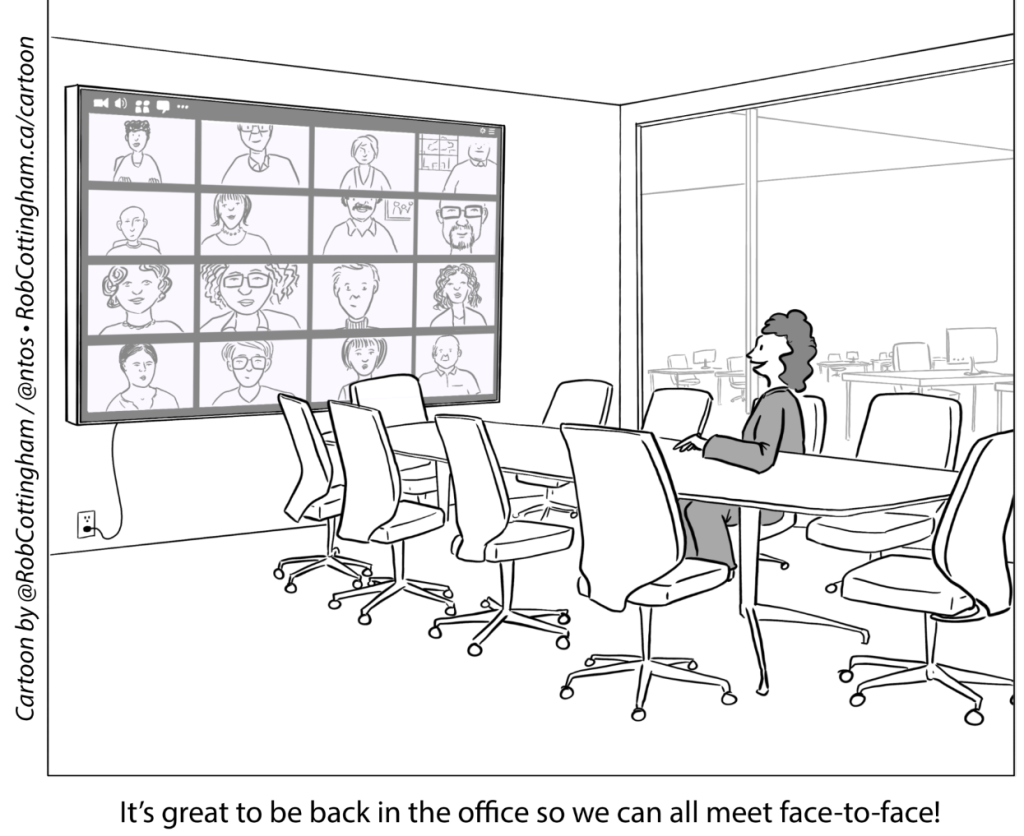
Pros: Remote work is like deploying specialized operatives worldwide, allowing your team to tackle challenges from anywhere. This model lets you access global talent, reduce costs, and give employees the autonomy they crave. Having a borderless talent strategy is a critical key that many employers still don’t fully understand.
Challenges: The lack of a central “base” can lead to isolation or a fragmented culture, much like soldiers dispersed without clear communication channels. Startups thrive on collaboration and rapid iteration, and this model can make it harder to establish that “all-in” energy many startups rely on. To succeed, remote teams need robust tools and processes, much like a tactical unit relies on reliable radio communication and shared mission objectives.
Culture Fit: If autonomy and flexibility are your values, a remote model can thrive. However, you must be prepared to intentionally create virtual spaces for team-building, ensuring no one feels left behind.
2. Hybrid Work Model: Balancing Flexibility and Face Time
Pros: Hybrid models combine the best of both worlds—remote flexibility with in-person collaboration.This model mirrors a soldier’s balance of field operations and base regrouping. Team members can work remotely but come together for critical strategy sessions and camaraderie, reinforcing unity and shared goals. Hybrid workplaces are becoming increasingly popular, appealing to both talent and founders seeking flexibility without sacrificing team unity.
Challenges: Without structure, hybrid workplaces can falter. Think of it as coordinating troop movements—planning is essential to ensure collaboration days are impactful and equitable. This model requires aligning schedules and may require additional investments in office space and technology.
Culture Fit: A hybrid model aligns with startups that value flexibility and face-to-face innovation. To avoid leaving anyone out and maximize its impact, define clear expectations and ensure every team member has equal access to resources. This will avoid confusion and maintain fairness.
3. Onsite Work Model: Building Deep Collaboration and a Strong Foundation
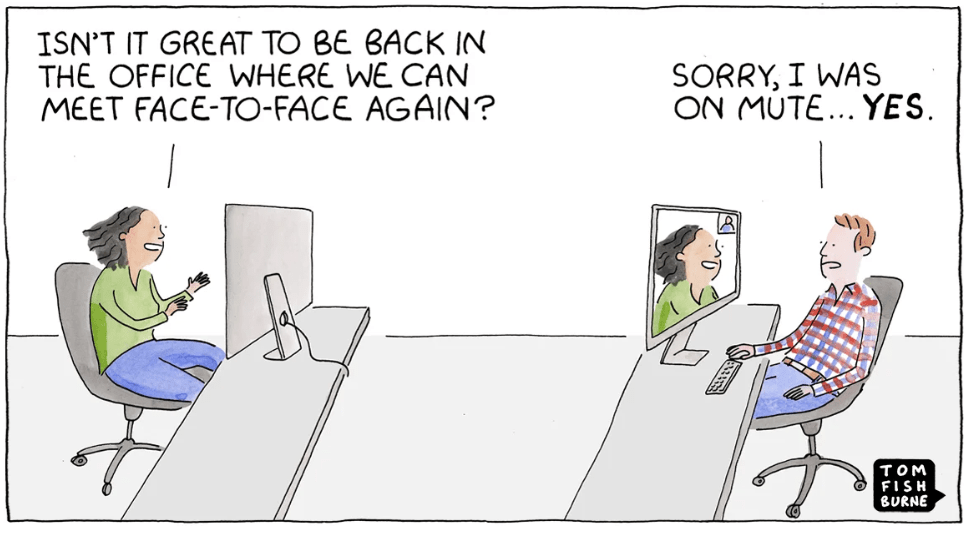
Pros: Onsite work fosters spontaneous collaboration, much like soldiers in close quarters can make split-second decisions together. Early-stage startups often benefit from this model as since being together in a shared physical space can expedite problem-solving and create a vibrant, fast-paced culture.
Challenges: While this model can deepen bonds and spark innovation, it may alienate those who value flexibility. It’s like expecting all soldiers to march to the same beat, even if some could contribute better from different vantage points. This will limit also limit your talent pool and possibly create retention issues, as more employees expect remote work options.
Culture Fit: Onsite work thrives when real-time collaboration and mentorship are essential. What do I mean by this, if your culture is If your startup’s culture is serious about real-time rubbing of the shoulders, geniune connections are fostered, or physical product development, an onsite model may align best with your goals. But remember, not every mission requires boots on the ground—adapt to what your team needs most.
Considerations for Startups Choosing a Workplace Model
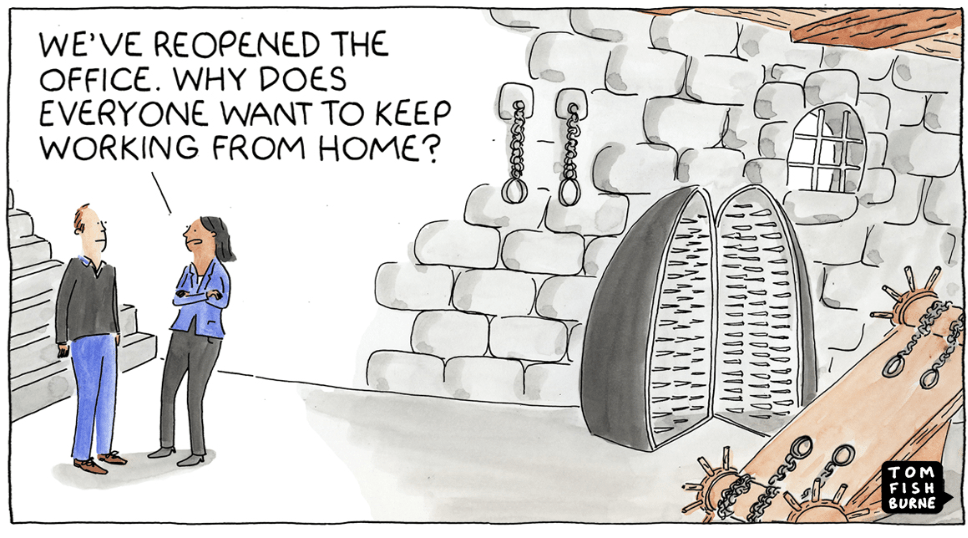
- Stage of Growth: Early-stage startups often benefit from an onsite or hybrid model to foster collaboration and build a foundational culture. As you scale, a remote or hybrid model may become more feasible.
- Talent Acquisition: If you’re competing for top-tier tech talent, offering remote or hybrid options can be a significant draw, especially if your competitors offer flexibility.
- Team Dynamics: Think about how your team collaborates. If brainstorming and spontaneous problem-solving are crucial, an onsite or hybrid model may support these needs more effectively.
- Costs: While remote work can reduce real estate costs, it may require investment in tools to ensure productivity. Onsite models can be costly but may enhance communication and mentorship in a startup’s formative years.
- Long-Term Vision: Consider your five-year vision. Do you envision a diverse, global team? Or does a strong, local presence with a tight-knit culture align more with your vision? Let your long-term goals guide your decision.
Implementation Tips
Whichever model you choose:
- Document Your Reasoning: Clear communication about why you chose your model helps build buy-in
- Start With Structure: Even in remote settings, create clear frameworks for communication and collaboration
- Build in Flexibility: Your needs will evolve as you scale – design for adaptability
- Measure and Adjust: Regularly gather feedback and track productivity metrics
Redefining the Office in 2025 & Beyond
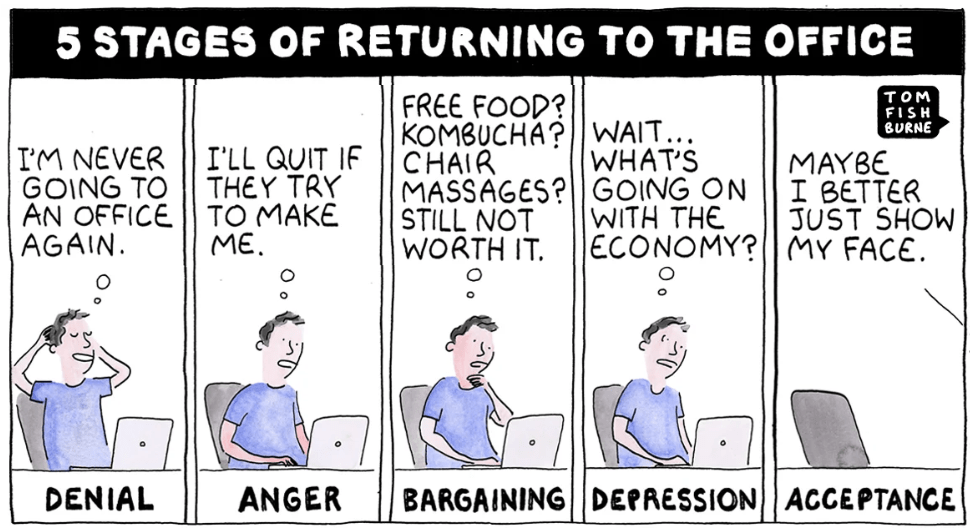
You’ll often see headlines of CEOs announcing their return-to-office mandates, claiming it will boost “collaboration and innovation.”
What a bunch of BS.
This only happens when the office creates mechanisms where teams can purposefully come together. Some examples of purpose-driven office visits include:
- Strategy sessions (need to plan ahead)
- Team-building activities (need to plan ahead)
- Skills development-upskill, reskill (need to plan ahead)
Bringing people back to the office just for presentism’s (optics of actively working) sake is pointless.
Your workplace model isn’t just about where people work – it’s about how your team collaborates, innovates, and builds your product. The right choice aligns with your company’s values, supports your growth strategy, and creates an environment where your team can do their best work.
If there’s anything that you takeaway from this blog, please let it be this very point:
Ultimately, companies need to understand that individual job responsibilities are more efficiently handled in settings that are individual-centered (for example: home, cafés, private work hubs, etc.), while offices should be designed and utilized as cultural spaces to create meaningful and collective experiences (strategy sessions, skill development activities, team building, networking events, etc.).
There is no one-size-fits-all solution. The most successful workplace models of today and tomorrow are those that evolve with your company’s needs. Start with clear principles, measure what matters, and be prepared to adapt as you grow.
Beyond the Foxhole: Focusing on What Truly Matters

Startups, like soldiers, thrive on trust, communication, and a clear mission. When shaping your workplace model, remember that your choices on work locations affect not just productivity but also your team’s morale, engagement, and connection to your shared purpose.
Lastly, fixating on location is also detrimental to your businesses. You should be focusing on what you are doing for your customers? How are you growing the business? We’ve lost track of that if all we’re doing is keeping tracking of how many ID badges we got from people being in the office. Determining where a person does their work best, is part of any leader’s responsibility.
Adopting a leave no one behind mindset ensures that every team member, whether in the office, working from home, or in a mixed setup, feels valued and included. Create a culture where teamwork is intentional, ideas flourish, and everyone knows they contribute to the mission.
Questions to consider:
- How does our current workplace model support both individual productivity and team collaboration, and what adjustments might enhance our team’s cohesion and innovation?
- Are we leveraging workplace flexibility as a competitive advantage in talent acquisition and retention, or are we unintentionally narrowing our talent pool with rigid policies?
- How can we ensure our workplace strategy aligns with our long-term vision while remaining adaptable to changing needs and growth stages?

Article was written by John-Miguel Mitchell who is the Founder and Lead Consultant at Ekipo LLC. If you’d like to learn more about how to design and build out the ideal workplace culture for your business, email him at jmitchell@joinekipo.com.
Liked the blog? Get new content delivered directly to your inbox every Thursday & Friday.
 Ekipo
Ekipo 