

The Good, The Bad and Harley Davidson
I don’t like motorcycles.
Sure, they’re fun to watch from a distance and let’s be honest—what’s a great movie escape without some guy on a motorcycle zooming around like he forgot to pay his parking tickets?
However, they’re loud, their riders crave solitude; the fatality rates are significantly higher compared to other vehicles on the road and their engines are just really bad for the environment (this blog isn’t about their carbon footprint, I promise). Also, the thought of losing a friend or family member because a driver innocently didn’t see a biker in their blind spot really kicks up my anxiety when I walk into their garage (I can think of 3 people that I just pissed off with that comment).
And yet, I have an enormous amount of respect for Harley Davidson‘s company, their iconic brand and passionate community of riders behind it.
In fact, what if I told you that beneath the chrome and steel of their motorcycles lies an equally robust workplace culture—one that holds valuable lessons for startups?
Startups often look to the latest tech giants of Silicon Valley or disruptive business models for inspiration, but Harley Davidson‘s journey as a century-old company offers insights into building a resilient workplace culture that can inspire both long-term growth and innovation.
Here are five reasons why startup leaders should pay attention to Harley Davidson’s workplace culture and how it can fuel success.
1. Authenticity: Build a Culture Around Your Brand’s Core

Harley Davidson is more than just a motorcycle company—it’s a lifestyle. How many companies of the top of your head can you that about? Its brand is synonymous with rugged individualism, freedom, and rebellion. This authenticity permeates their workplace culture. Employees aren’t just assembling bikes; they’re embodying a lifestyle that resonates with millions.
For startups, this is a reminder to root your workplace culture in the essence of what your brand represents. Whether you’re building cutting-edge AI or offering sustainable fashion, your employees should live and breathe your mission.
Authenticity fuels passion, which in turn drives employee commitment and innovation—key factors that ultimately lead to customer loyalty. If we aren’t authentic in what we do and how we do it within our business, how can we expect our employees, let alone our customers, to stay engaged for the long haul?
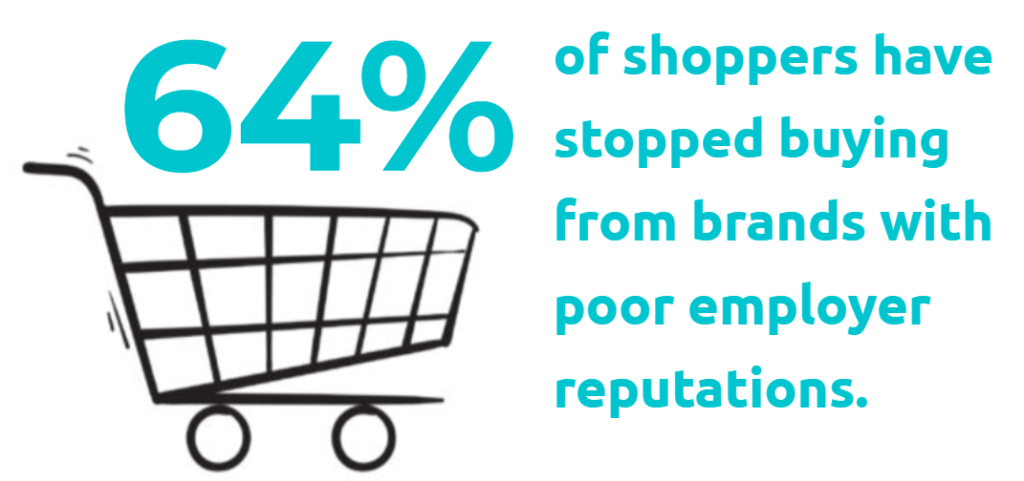
Startup Takeaway: Define the core of your company and integrate it into every aspect of your workplace culture. Let your values guide not just your products but your people.
2. Empowerment: Give Employees Ownership

Harley Davidson has embraced employee empowerment, giving their workers a strong voice in decision-making. This sense of ownership and inclusion has led to higher employee engagement and loyalty. Harley’s leadership recognizes that workers on the factory floor often have insights that management may overlook, so they create opportunities for bottom-up input.
For startups, this is a crucial lesson.
Empowering employees—whether it’s through decision-making authority, creative freedom, or encouraging new ideas—ensures that you tap into the full potential of your team. The intriguing paradox is that when you relinquish some of your power to empower employees, the organization ultimately becomes stronger.
In the fast-moving world of startups, where agility is critical, listening to employees and giving them room to take risks can result in rapid innovation and stronger morale.
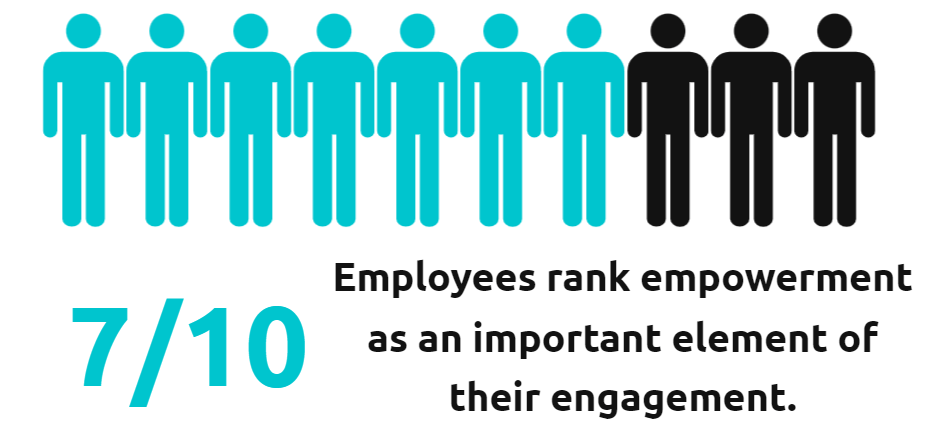
Startup Takeaway: Empower employees to take ownership of their work and voice ideas. This creates an engaged, motivated team, which is crucial for early-stage startups where innovation is key.
3. Community: Create a Tribe, Not Just a Team

Harley Davidson has done a masterful job of creating a community, not just among its customers but within its organization. The company doesn’t just build motorcycles—they cultivate a tribe of employees who are passionate about their products and share common values. This is especially vital in today’s world, where loneliness, isolations and feelings of disconnection are at alarming levels.
Startups can learn from this by fostering a sense of belonging among their teams. Especially in small, early-stage startups, the team’s camaraderie can make or break the company’s success. Employees should feel like they are part of something bigger than themselves, and that their contributions are critical to the whole.
Taking the time to create traditions, have regular team-building activities, remember the names of your employees’ children and encourage geniune opportunities to connect are all ways to foster this sense of community.

Startup Takeaway: Focus on building a strong internal community where employees feel connected to the company’s mission and each other. This unity fuels collaboration, innovation, and resilience.
4. Adaptability: Evolve While Staying True to Your DNA

Harley Davidson has seen its share of ups and downs, from market shifts to financial challenges. However, the company has remained resilient by adapting its product offerings and marketing strategies without losing its core identity. From introducing new models to appealing to a younger, more diverse demographic, Harley Davidson has balanced evolution with maintaining its brand DNA.
For startups, adaptability is often a matter of survival. With the failure rate being so stacked against them, the ability to pivot, adjust to market demands, or change a product offering is key. But in doing so, startups must avoid diluting their brand identity or core values. Harley-Davidson teaches us that change is inevitable, but you must evolve while remaining true to the ethos that set you apart in the first place.
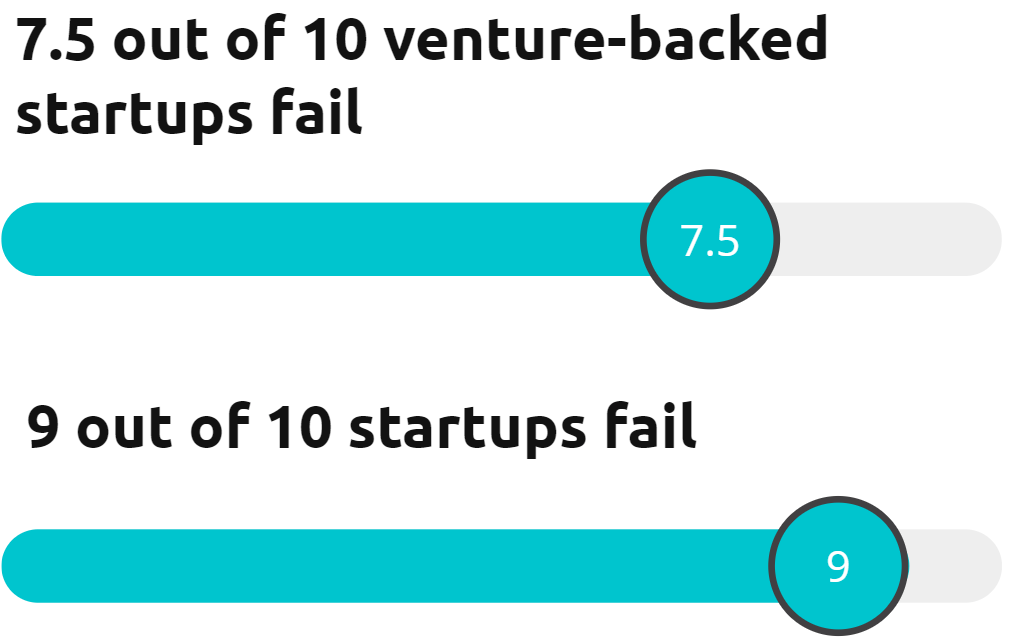
Startup Takeaway: Stay adaptable but maintain your core values. Evolve with your market while preserving the heart of your company’s mission.
5. Long-Term Vision: Build for Longevity

Perhaps one of Harley Davidson’s most inspiring lessons for startups is its long-term vision. Founded in 1903, Harley Davidson has stood the test of time. They didn’t achieve legendary status overnight—it took decades of consistently delivering high-quality products, cultivating a loyal customer base, and staying true to their brand.
In the startup world, where quick growth and fast scaling are prioritized, it’s crucial to remember the long-term vision. The word resilience seems rare nowdays, yet it is essential for guiding our teams from where we are to where we want to be. Our ultimate goal should be to build a company with sustainable growth, a strong brand, and a lasting workplace culture.
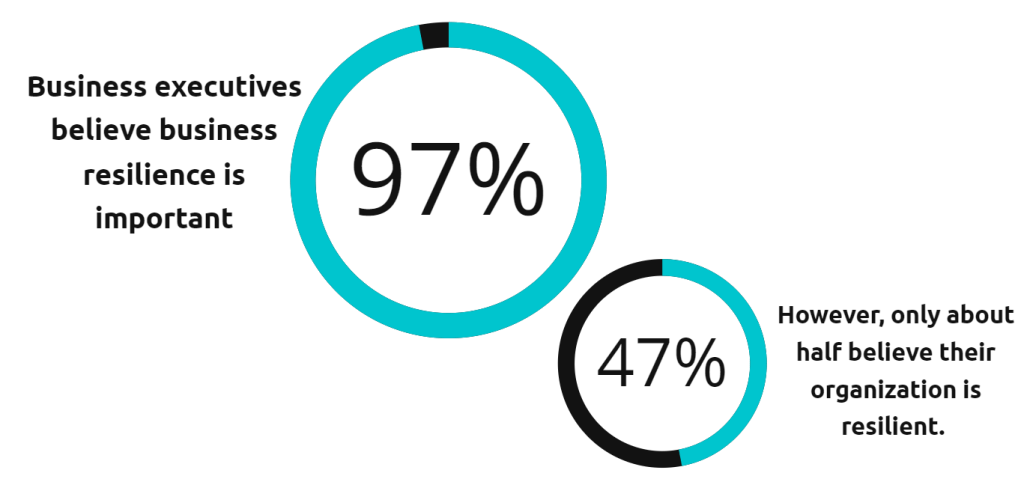
Startup Takeaway: Focus on building a sustainable business with a long-term vision. It’s not just about immediate growth; it’s about creating a brand and culture that endures.
The Motorcycle Diaries and Harley: Two Roads to Authentic Culture

One of my favorite movies, The Motorcycle Diaries (2004), follows the early journey of a young Che Guevara (played by Gael García Bernal) as he and his friend travel across South America on a motorcycle. It resonated with me because I traveled through parts of Chile, Argentina, and Peru a few years later with friends Carlos Torres and Diego Menéndez.
More importantly, much like a startup’s journey, the film reflects how experiences on the road—filled with uncertainty, learning, and adaptation—can pivot perspectives and fuel a mission. In the world of workplace culture, this parallels the way startups evolve by confronting challenges and embracing growth, ultimately shaping their identity and purpose, just as Guevara’s did.
Harley Davidson’s success didn’t come by accident. Its workplace culture, rooted in authenticity, empowerment, community, adaptability, and long-term vision, is a major driver of its ongoing success.
For startups, these are valuable lessons. Whether you’re assembling motorcycles or launching the next great tech product, you can create workplace culture that not only attracts the right talent and innovates rapidly but also stands the test of time.
Questions to consider:

- How are you ensuring that your company’s workplace culture stays true to the core mission and values of your brand, even as you scale?
- How do you evaluate a startup’s workplace culture and employee empowerment initiatives when considering investment opportunities?
Article was written by John-Miguel Mitchell who is the Founder and Lead Consultant at Ekipo LLC. If you’d like to learn more about how to design and build out the ideal workplace culture for your business, email him at jmitchell@joinekipo.com.
Liked the blog? Get new content delivered directly to your inbox every Thursday & Friday.
 Ekipo
Ekipo 