

I didn’t grow up on a ranch—but sometimes I wish I did.
The brief moments of watching ranchers herd their horses as our family quickly drove through the rural parts of the Wild West during my childhood always garnered my attention. From a kid’s vantage point, seeing someone herd a bunch of horses seemed like it was so easy, relaxing, and simple.
I didn’t know and still don’t really know the ups and downs, expectations, mannerisms, struggles, and lifestyle that go into being a rancher.
Having a group of horses collectively move in any direction just sounds like it would be really challenging. Quick confession: I barely started listening to country music last year (yes, I have Chris Stapleton playing in the background as we speak).
So what does this small and insignificant anecdote of mine have to do with startups and workplace culture?
Hear me out.
The 3 biggest reasons why people want to go work for a startup: their energy (just walk inside), innovation (products and services that are that being developed), and rapid growth (money, power, influence–pick your poison) to name a few. But amid the hustle and excitement, there’s a challenge that many leaders overlook: cultural misalignment
It’s great to have a physical worth viewing, having conversations where the creative juices are flowing, but if everyone on the team isn’t aligned with the vision, values, and leadership style, the cracks may not surface right away, but they eventually will threaten the foundation of the business. Having cultural misalignment can damage morale, slow progress, and even tarnish brand reputation.
Just like herding horses is essential for maintaining the health, safety, productivity, and overall well-being of both animals and caretakers, aligning culture in a startup is key to ensuring the well-being and success of the entire company.
Unclear Culture: The Silent Chaos

One of the biggest mistakes that I see leaders make is when they don’t prioritize in having a clear and well-defined company culture. When I reach out to startup founders to talk about why they need to have a well-defined culture, the pushback is often that “the culture will naturally develop as the company grows.“
Bullcrap.
This laissez-faire approach often leads to confusion (one of the first symptoms of cultural misalignment). Without a well-designed workplace culture, employees are left wondering: “What are we all working toward?” It’s like a flock of birds with no clear direction—each moving independently, creating chaos instead of collective progress.
Gallup‘s research shows that across all industries, only two in 10 U.S. employees feel connected to their company’s culture. This disconnect creates uncertainty and misalignment within teams. As a leader, you must ask yourself:
Can my team clearly articulate our vision, leadership expectations and shared values?
How do these elements influence day-to-day decisions?
If the answers are fuzzy, it’s time to take real action. No, I’m not referring to buying posters that say “Integrity” or “Teamwork” and leaving them in dark hallways within the office.
Lack of Shared Vision: The Wolf Pack Problem

Without a clear vision, it all starts to really fall apart.
Just as a wolf pack thrives when its members are united toward a common goal, startups also need a shared vision to guide their teams. Without it, individual employees and departments start moving in different directions (if you hear anyone say, “yeah we actually work better in silos”, run) working toward personal goals rather than collective success. This lack of unity can be catastrophic for a growing company.
We’ve seen this movie before.
Take your fast-growing tech startup as an example. In its early days, the founders had a clear, disruptive vision for their industry. But as the team expanded, they failed to communicate this vision consistently. Sales focused on short-term wins, while the product team pursued long-term innovation. The result? Their growth stagnated, and the company had to undergo a costly reorganization to get back on track. As a leader, you must ask yourself:
Does every team member understand how their role contributes to the bigger picture?
Do they (my team) feel like we’re a collection of individuals (“cogs in a machine” mindset) or a cohesive, high-performing team?
To avoid this pitfall, leaders need to continually reinforce the company’s vision across all levels of the organization. No, I’m not referring to the annual town hall meeting where they’ve mentioned it once at the beginning of a speech or the “vision keychain” you got on your 1st day of working with the company.
Leadership Inconsistency: The Alpha Animal Struggle

Have you ever had to report to two bosses at the same time? Have you ever had to work with bosses that had completey different management philosophies under one roof? There’s an old saying in football, “if you have 2 quarterbacks, you don’t have a quaterback.”
Leadership inconsistency is another common cause of cultural misalignment. In the animal kingdom, the alpha sets the tone for the group, whether it’s a lion leading its pride or an elephant guiding its herd. When leadership is inconsistent—when actions don’t match words or when different leaders send conflicting messages—it breeds confusion and distrust among employees. It’s that simple.
It’s been said that leaders and managers bear responsibility for 70% of employee motivation and satisfaction. If a CEO champions innovation but penalizes employees for taking risks, it sends a mixed message that stifles creativity. Leaders must model the behavior they want to see, or risk undermining the culture they’re trying to build. In other words, be the leader you wish you had and ask yourself:
Are your actions as a leader consistent with the values you communicate?
This is a critical question for any startup leader. Employees crave predictability and trust. If leadership is erratic, it creates a ripple effect of uncertainty that can throw the entire team off balance.
Mismatch of Values: When Elephants Don’t Dance Together

Strong cultures are built on shared values, much like a herd of elephants relies on cooperation and mutual care to thrive. In a startup, shared values create trust and provide a foundation for teamwork and collaboration. But when the values espoused by leadership clash with those of employees—or worse, when the company’s stated values conflict with its actual practices—disillusionment sets in.
I’ve been a part of too many teams that claim to promote work-life balance but rewards only those who burn the midnight oil. This kind of value mismatch leads to frustration and disengagement. According to Jobvite, about 55% indicated that they would resign from a new job if the organization’s culture did not align with their personal values and expectations. As a leader, you must ask youself:
What do we value?
Who do we value?
And how do we show that value?
When values align, teams are energized and more likely to stay engaged. But when there’s a disconnect, it can sap morale and lead to high turnover.
Brand Reputation: The Canary in the Coal Mine
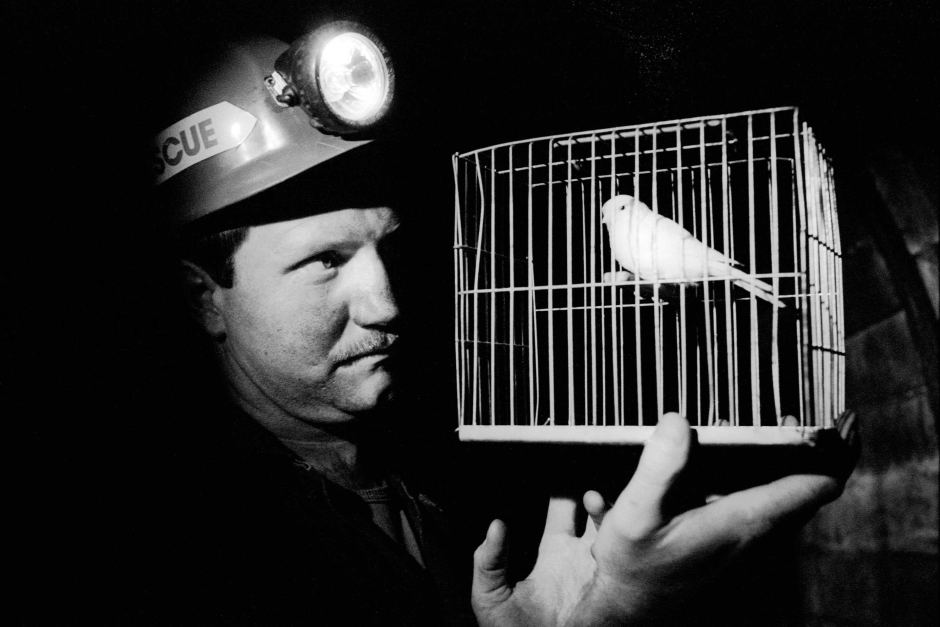
Your startup’s internal culture isn’t just an in-house concern—it impacts your brand reputation externally. In many ways, your culture is like a canary in a coal mine: when things are misaligned internally, it often foreshadows larger public issues. A damaged internal culture can quickly seep into the outside world, affecting how customers, investors, and potential hires view your brand.
If you’re looking for good drama to watch that highlights this issue, look no further than Netlfix’s, “Super Pumped: The Battle for Uber (2022)” and you’ll see how reports of toxic behavior and poor leadership practices leaked to the media, severely damaged the company’s reputation and led to significant leadership changes. Trust is hard to rebuild once it’s lost.
We can conduct all the research we want into a new opportunity or company before joining, but when it comes down to it, we can’t help but wonder, “what’s the culture really like there?” A friend might chime in with a warning, “Honestly, I wouldn’t take that offer; I’ve heard the culture is pretty toxic.”
According to 23% of prospective employees, a company’s values and culture exert the most significant influence on their decision to accept a job offer. If your internal culture is fractured, it can be difficult to attract and retain top talent, which, in turn, can harm your business’s long-term success. As a leader, you must ask yourself:
Is our internal culture aligned with the external brand image we want to project?
The best recruitment strategy is one where employees are advocates of the company and not critics of the company.
Culture Design Must Be Intentional
I recognize that everything I’ve shared in this blog is easier said than done. I also firmly believe that leaders shouldn’t be naive in believing that culture happens by accident.
However, to solve these challenges, startup leaders need to be intentional about designing their workplace culture. .
When I drive past those ranchers now on those road trips with my own kids, I don’t expect their horses to naturally organize themselves in perfect harmony—it takes strategy, commitment, and guidance to lead them in the right direction.
The godfather of organzational behavior said it best:
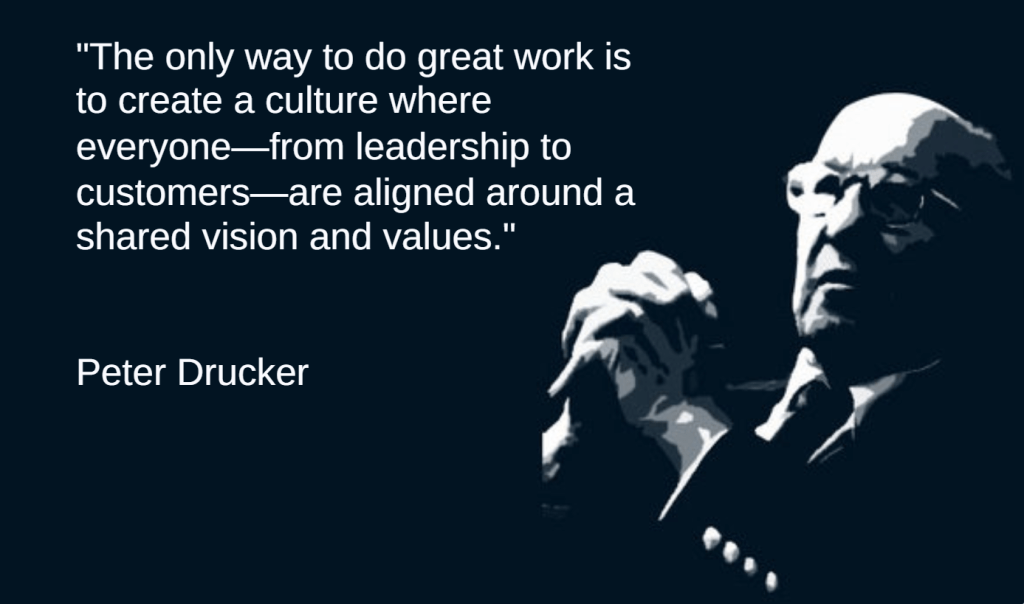
Whether you’re guiding horses across a field or leading a team through rapid growth, success hinges on the clarity of your direction and the strength of your cultural alignment.
Some more questions to consider:

- As an investor, how do you evaluate a startup’s cultural health during the due diligence process? What specific indicators or red flags do you look for that might signal potential cultural misalignment?
- Founders, at what inflection points in your company’s growth did you find it most challenging to maintain cultural alignment? What specific strategies proved most effective in scaling your culture alongside your business?
Article was written by John-Miguel Mitchell who is the Founder and Lead Consultant at Ekipo LLC. If you’d like to learn more about how to design and build out the ideal workplace culture for your business, email him at jmitchell@joinekipo.com.
Liked the blog? Get new content delivered directly to your inbox every Friday.
 Ekipo
Ekipo 