

Blame MJ
We just made it through Labor Day weekend a few days back.
It’s supposed to be the grand finale of summer – a time to kick back, fire up the grill, make a splash in the pool, and gather friends and family for one last round of relaxation before the chaos of fall kicks in. Before the dreaded deadlines loom over us and before our bonus goals start slipping through our fingers. Lots of folks made the most of this weekend.
However, as leaders get higher up in the corporate ladder, there’s more pressure than ever to perform at a “high-level,” so many ignore the 3-day weekend memo to relax, and we can totally blame Michael Jordan for this one!
Let me explain.
Back in June of 1997, Michael Jordan and the Chicago Bulls were playing against the Utah Jazz in Game 5 of the NBA Finals. Jordan, despite being sick with a terrible flu, scored 38 points and led his team to victory. I still have a vivid memory of Jordan’s teammates carrying him off the game floor.
After winning a close game 5 of the NBA Finals in 1997, Jordan said afterward, “Probably the most difficult thing I’ve ever done. I almost played myself into passing out just to win a basketball game.”
At that point, millions of white-collar professionals subconsciously signed the contract of presenteeism and said to themselves, “Hey, if Michael Jordan can do it, why can’t I do it at the office? I can work through the pain. I can work through the stress. I can work through the abuse. I can deal with the anxiety, because the end will eventually justify the means.“
Since then, many companies have never figured out how to correctly REST.
Phrases like “burning the midnight oil,” “going the extra mile,” and “won’t take no for an answer” have become ingrained in corporate culture, perpetuating the idea that success demands sacrificing personal well-being.
It’s not a badge of honor when you come into the office sick. Nobody will look back and say, “Hey, remember when Bob came in severely ill to get that report done 5 years ago? I’m so glad he did that.”
In today’s competitive economy, companies must treat workers like batteries that need regular recharging. Neglecting the need for rest can lead to burnout, decreased productivity, and turnover. In fact, job stress alone is estimated to cost U.S. employers more than $300 billion a year in absenteeism, turnover, diminished productivity, medical, legal, and insurance costs.
By adopting a proactive approach towards employee rest, startup leaders can create a thriving workplace culture that supports employees and drives business success.
The AAA Framework for Workplace Rest
To effectively implement a rest strategy, consider an AAA framework: Available, Accessible, and Appropriate. This framework provides a structured approach to ensuring that rest isn’t an afterthought but an integral part of the work environment, contributing to both employee satisfaction and organizational performance.
1. Available: Offering Diverse Tools and Resources for Rest

The first step in embracing a workplace rest strategy is making sure that rest options are readily available to all employees. This involves providing a variety of tools and resources that cater to different preferences and needs.
Here are some ways startup leaders can ensure rest is available:
- Flexible Work Hours: The 9-5 workday model is outdated and needs to be replaced. Full stop. Allowing employees to adjust their schedules to find time for rest can significantly reduce stress and increase job satisfaction. For instance, offering the option to start the day earlier or later can help employees manage personal commitments and reduce commute stress.
- Break Rooms or Relaxation Areas: You have failed as an employer if your employees are having lunch from their desks. Full stop. Creating dedicated spaces where employees can unwind and relax is crucial. These areas can be equipped with comfortable seating, soft lighting, and calming décor to provide a serene environment for employees to take a breather.
- Wellness Programs: I get it, not everyone can afford a gym or yoga studio within the walls of their own office. However, implementing some kind of wellness program with activities like yoga, healthy snacks, meditation, or discounted fitness classes (not 15%, c’mon) can help employees maintain their physical and mental health. Such programs not only promote rest but also encourage a healthy lifestyle.
- Remote Work Options: This deserves an entire blog in itself (stay tuned). Offering the flexibility to work from home can be a valuable option for employees who need to reduce commute stress or manage personal responsibilities. This flexibility can lead to better work-life balance and increased productivity.
2. Accessible: Encouraging a Rest-Positive Culture

Accessibility means ensuring that rest is not only available but also encouraged and supported within the organization, especially considering that a Deloitte survey found 77% of respondents have experienced burnout at their current job, with more than half citing multiple occurrences. Startup leaders live in a glass house 24/7, and it’s important that they take the lead not only in giving lip service to these tools, but they should focus on creating a culture that promotes taking breaks without guilt or fear of negative repercussions.
Here’s how:
- Promote a Rest-Positive Culture: Leadership set the tone for the organization’s culture. By modeling and advocating for taking breaks, leaders can create a rest-positive culture that encourages employees to prioritize their well-being.
- Regular Breaks: Leaders should ensure that employees feel comfortable taking these breaks without worrying about judgment or repercussions.
- No Guilt Policies: Implementing policies that emphasize the importance of rest as a positive and necessary part of work can help alleviate the guilt associated with taking time off. These policies should be communicated by leaders clearly to all employees (monthly, at minimum quarterly).
If leaders reply to emails on late nights or weekends, does that mean employees will have to follow? If leaders never take a lunch break, does that mean that employees can never leave the office? If leaders never talk about their recent vacation, can employees speak freely about where they’ll be headed next?
3. Appropriate: Aligning Rest Options with Individual Needs
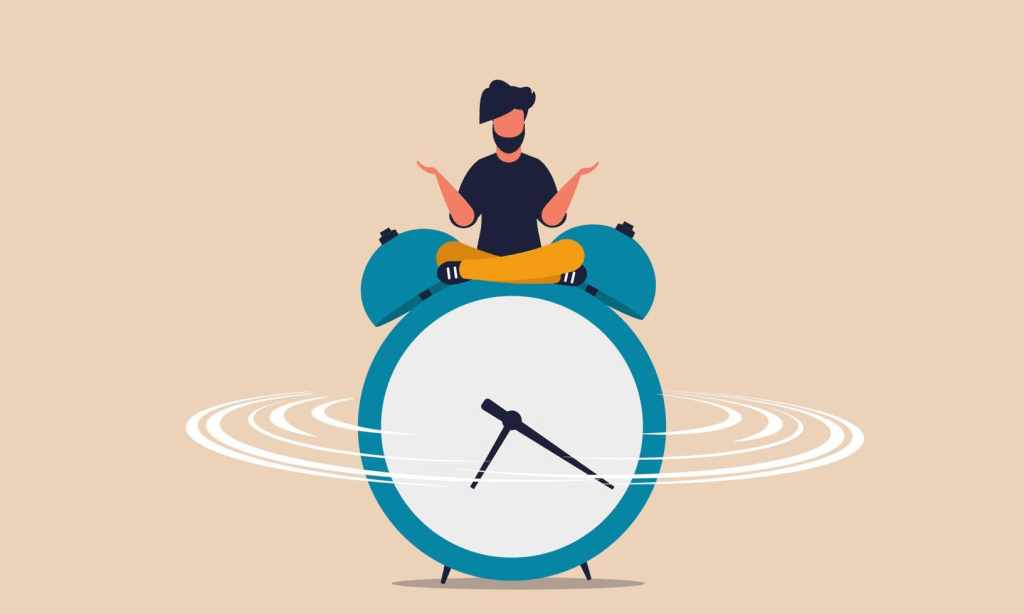
The last part of the AAA framework involves making sure that rest tools are suitable for each employee’s individual needs and preferences. A one-size-fits-all approach won’t work and will demonstrate to your team that you are not truly considering everyone’s rest seriously.
Here are some strategies to consider:
- Personalized Rest Plans: Allowing employees to choose rest activities that suit them best can enhance the effectiveness of the rest strategy. For example, some employees may prefer quiet meditation, while others may benefit from a brisk walk or a quick workout.
- Feedback Mechanisms: Regularly gathering employee feedback to adjust rest offerings can help ensure that the available options meet the evolving needs of the workforce. This feedback can be collected through quarterly surveys (not yearly), focus groups, or one-on-one conversations.
- Diverse Options: Providing a range of rest options to cater to different personalities and job roles is essential. For example, introverted employees may prefer solitary activities, while extroverted employees may thrive in group activities.
The Importance of Workplace Culture in Rest Strategies

Embracing a workplace rest strategy is not just about providing rest options; it’s about creating a culture that values and supports employee well-being. Just 24% of workers strongly agree that their organization cares about their wellbeing. When companies design workplace cultures that value employee well-being, it sets the foundation for how employees perceive and engage with the available rest options.
Here’s why workplace culture is matters:
- Sets the Tone: Culture defines how rest is perceived within the organization. A positive culture encourages employees to prioritize their well-being without guilt or fear of negative consequences.
- Drives Engagement: A culture that supports rest and well-being leads to higher employee engagement, which is crucial for startup success and innovation.
- Attracts and Retains Talent: In the competitive startup ecosystem, a culture that prioritizes employee well-being can be a significant differentiator in attracting and retaining top talent.
- Enhances Productivity: A well-rested workforce is more productive, creative, and better equipped to handle the challenges of a fast-paced startup environment.
Why Startup Leaders Need to Embrace Rest for Success
Startup leaders are in a unique position to shape their company’s culture from the ground up. Paying attention to workplace culture and rest strategies is crucial for several reasons:
- Competitive Advantage: In the fast-paced startup world, a well-rested and engaged workforce can provide a significant competitive edge.
- Sustainable Growth: Building a culture that values rest and well-being from the start creates a foundation for sustainable growth as the company scales.
- Innovation Driver: Well-rested employees are more likely to think creatively and innovate, which is the lifeblood of successful startups.
- Risk Mitigation: By prioritizing employee well-being, startup leaders can mitigate the risks of burnout, high turnover, and decreased productivity that often plague growing companies.
- Investor Appeal: A strong, positive workplace culture can make a startup more attractive to potential investors who recognize the value of a healthy, engaged workforce.
By treating workers like batteries that need regular recharging and implementing the AAA framework within a supportive culture, startup leaders can create an environment where employees are energized, productive, and satisfied.
In the fast-paced world of startups, taking the time to recharge isn’t just a luxury—it’s a strategic necessity for building resilient, high-performing teams capable of turning visionary ideas into reality.

Jordan was triumphant in that Game 5 of the NBA Finals. This memorable game became known as “the flu game,” and the Bulls went on to win the series, securing their 5th championship that year. The fans almost expected it, demanding that he carry his team to the finish line. However, one question that nobody considered was: what if Jordan doesn’t win that game? What would’ve been the reaction from the press? Many would have shouted, “How could they have done that to him? Wasn’t anyone concerned about his health being a detriment to his playing abilities? This wasn’t an elmination game? How dare they push him to such extreme circumstances and not create guardrails.”
Just as Jordan’s superhuman performance in “the flu game” shouldn’t be the expectation for every player, we shouldn’t expect our top talent to consistently perform at unsustainable levels. Let’s figure out how to get them rest so they can come back stronger and deliver their best work when it matters most.
Questions to consider:

- How do you balance the need for high performance and innovation with creating a culture that values rest, especially given the competitive nature of startups?
- How do you ensure that your leadership team models rest and well-being practices, particularly in a fast-paced startup environment where pressure to perform is high?
- What specific rest and well-being strategies have you implemented to prevent burnout among your team, and how do you measure their effectiveness?
Article was written by John-Miguel Mitchell who is the Founder and Lead Consultant at Ekipo LLC. If you’d like to learn more about how to design and build out the ideal workplace culture for your business, email him at jmitchell@joinekipo.com.
Liked the blog? Get new content delivered directly to your inbox every Friday.
 Ekipo
Ekipo 