
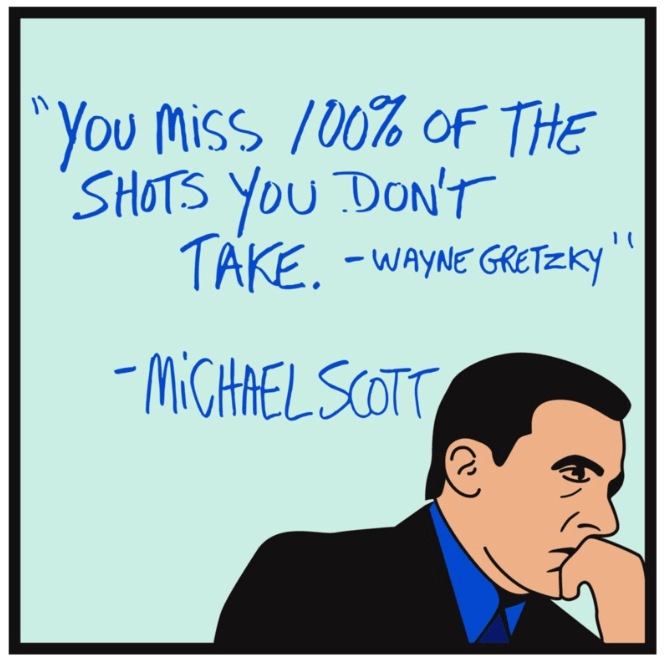
There’s an old Spanish saying that my mom taught me years ago, “Lo barato sale caro. (Cheap things now end up being pretty expensive in the end).” We’re all guilty of taking shortcuts in our work, finding deals that we believe nobody has found, ignoring the instinct to ask better questions, prioritizing something irrelevant above the relevant, staying silent when we should’ve spoken up in a meeting and justifying gut-based decisions over consensus and data.
While these choices may benefit us in the short term, they will often have a greater negative impact on us one way or another down the road.
Startups and midsize companies make the same mistake.
For example, they might focus their attention on cutting costs by outsourcing critical functions to the cheapest provider available, neglecting the importance of quality and reliability. In doing so, they may not realize it, but they’re compromising the integrity of their products or services, tarnishing their reputation, and ultimately incurring unforeseen expenses in fixing errors or addressing customer dissatisfaction. This shortsighted approach may offer immediate savings, but it frequently leads to long-term setbacks, hindering growth and sustainability in what is already a very competitive marketplace.
How many times have you overheard the following, “Oh yeah culture, we’ll get to that later. Right now we just need to keep our heads down and grind out this project”? This level of reluctance to invest in essential elements of the workplace culture can lead to substantial repercussions, both short and long-term.
They may not want to believe it, but sooner than later, those repercussions become costs that will sink the company if they aren’t taken seriously.

The Costs of Inaction (COI) for startups and midsize companies that don’t work with a workplace culture consultancy can have tangible and intangible consequences.
Here are some examples:
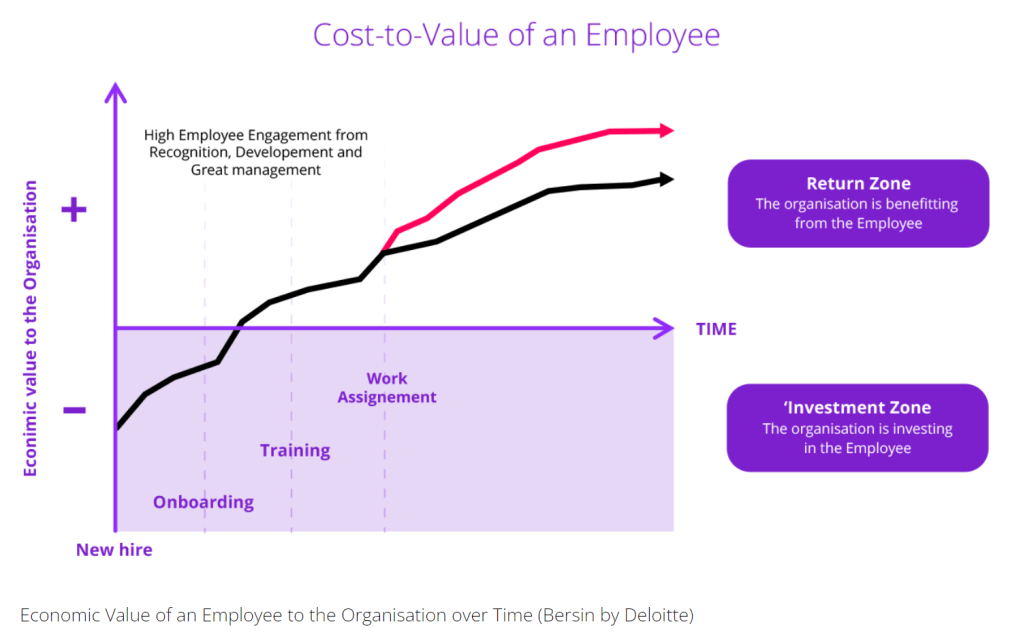
High Turnover Costs: If you don’t have a clear talent management strategy that is aligned with certain elements of your culture (for example: its purpose, leadership style, and practices that retain the right talent), these companies will experience higher employee turnover. COI includes recruitment, onboarding, and training expenses to replace departing employees. For example, replacing a mid-level manager can cost a company tens of thousands of dollars.
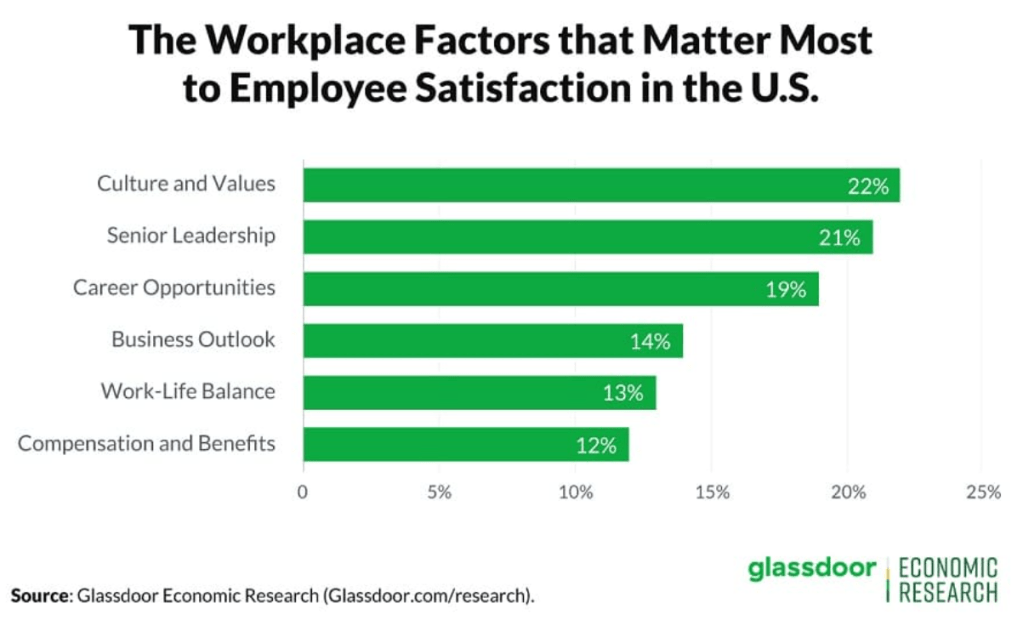
Poor Workplace Culture: Failing to conduct Culture Assessments & Gap Analysis can lead to a toxic work environment with low morale and employees who are no longer advocates of your cause. For instance, a toxic culture may lead to a significant drop in team productivity, causing projects to be delayed, deadlines missed, and impacting your bottom line.
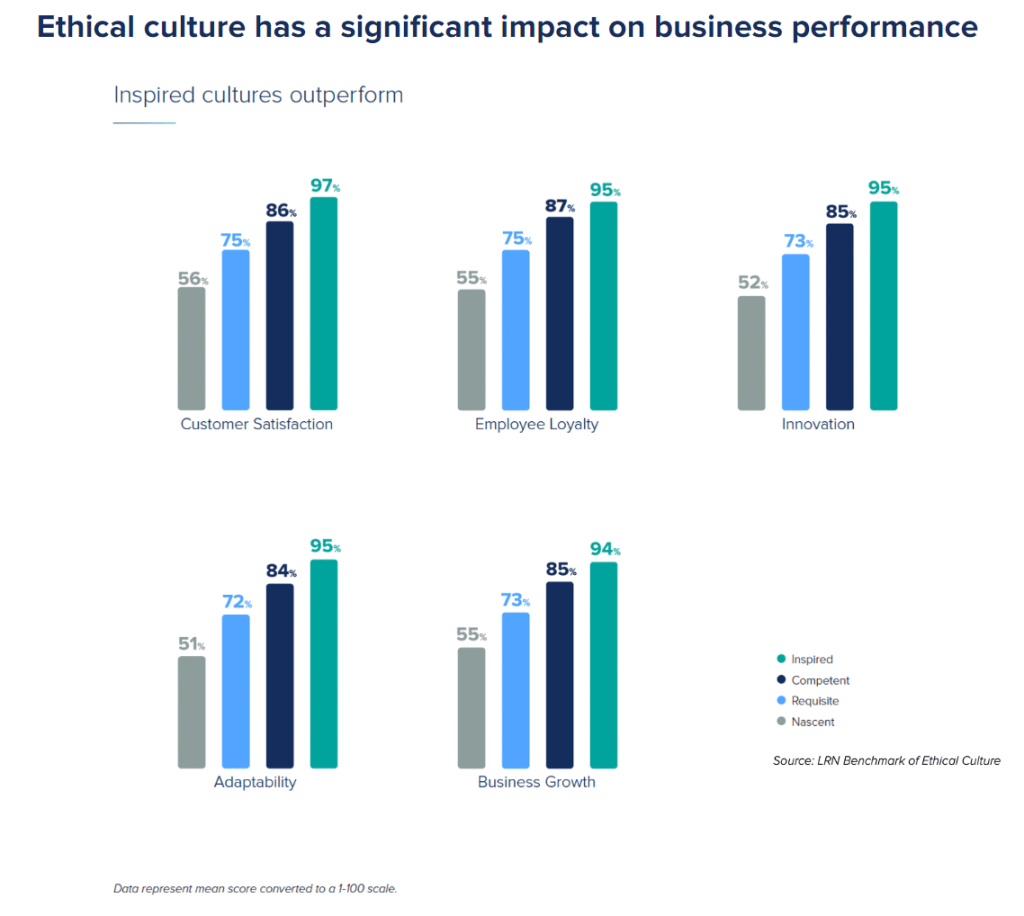
Legal and Compliance Issues: Inadequate attention to workplace culture can result in legal problems, such as discrimination claims or workplace harassment cases. The COI includes legal fees, settlements, and damage to the company’s reputation. For example, a discrimination lawsuit can lead to hefty legal costs and negative publicity.
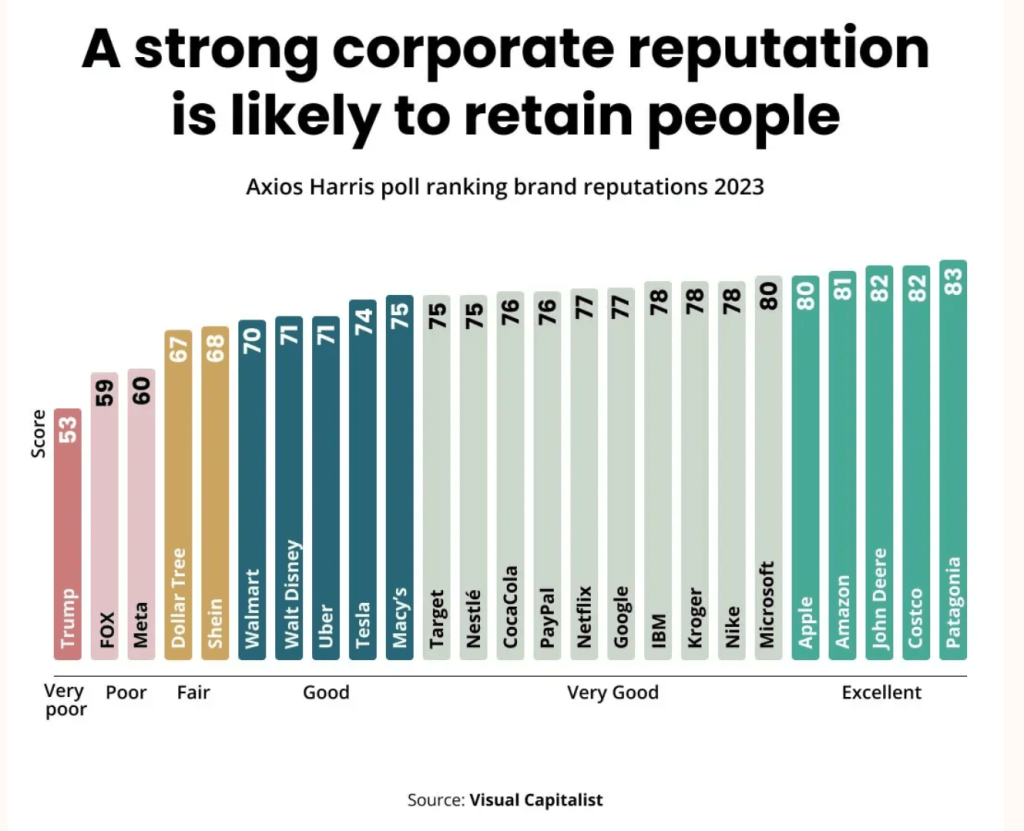
Missed Business Opportunities: A negative workplace culture can deter potential partners, clients, and investors. It may lead to missed business opportunities, like partnerships, contracts, or investments that could have propelled the company forward. For instance, a company’s poor reputation for workplace culture might deter investors looking for ethical and well-managed businesses.
Reduced Employee Advocacy: A lack of emphasis in professional development within your workplace culture can lead to a team that is less motivated, less skilled, and less equipped to handle workplace challenges. COI includes reduced efficiency and innovation. For example, without leadership development workshops, employees may struggle to adapt to new management styles, hindering productivity.
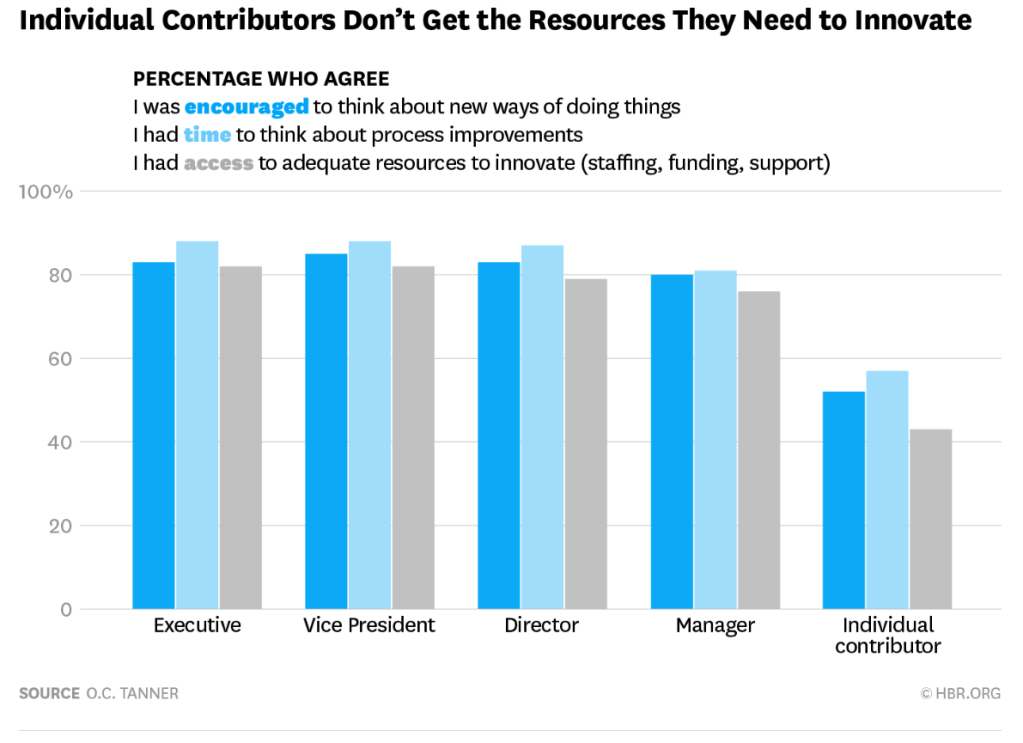
Impact on Innovation: Inaction in fostering a positive workplace culture can stifle creativity and innovation. Companies may miss out on groundbreaking ideas and potential breakthroughs in their industry. For instance, employees who don’t feel valued and respected may be less likely to share innovative ideas.
Boats don’t sink overnight. There are always warning signs. Not doing regular checks, neglecting certain maintenance tasks, or overlooking small issues can lead to bigger problems. Even seemingly minor things, like ignoring small problems, can build up over time and put the stability of the boat at risk.
Just like boats can be damaged when important parts are not taken care of, workplaces can face risks when important elements are ignored. The Costs of Inaction (COI) for startups and midsize companies that neglect workplace culture can be substantial, affecting their financial health, reputation, and long-term success.

However, when proactive measures are taken in line with expectations, the likelihood of catastrophic failures diminishes significantly. Investing in a consulting firm that partners with you in designing a workplace culture that fits your business can help mitigate these risks and lead to a healthier, more productive work environment.
Questions to consider:

- How do you measure the impact of your workplace culture on business opportunities, such as partnerships, contracts, or investments? Have you lost any potential deals due to concerns about your company’s culture?
- Have you calculated the potential cost of inaction in addressing workplace culture issues within your company?
- Finally, what steps are you prepared to take to ensure that your company’s workplace culture remains a strategic priority moving forward? How do you plan to continuously improve and evolve in this area to support long-term success?
Article was written by John-Miguel Mitchell who is a Lead Consultant at Ekipo LLC. If you’d like to learn more about how to design and build out the ideal workplace culture for your business, email him at jmitchell@joinekipo.com.
 Ekipo
Ekipo 